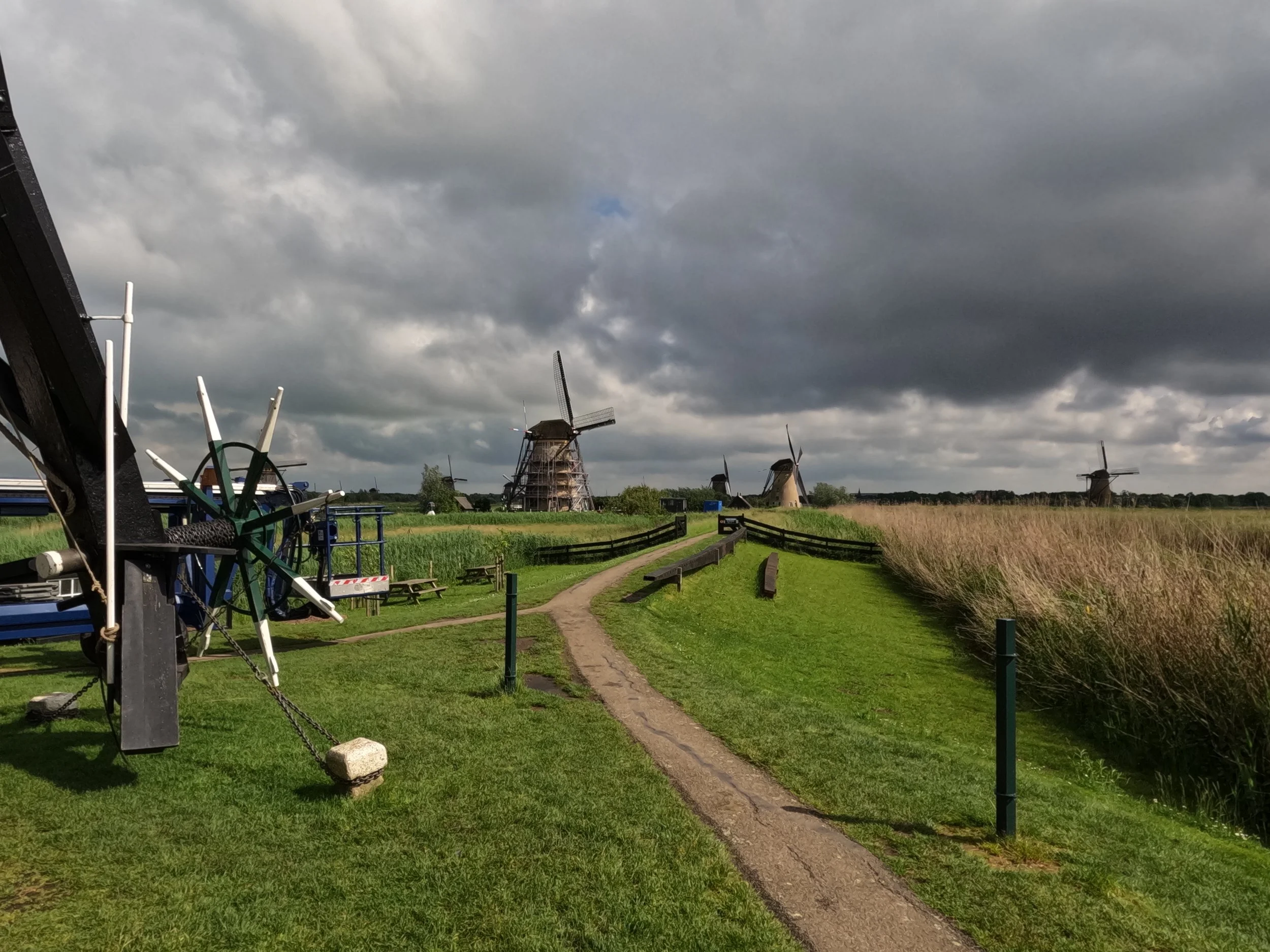
Dutch Windmills: Icons of the Landscape
Heritage, Tourism & Marketing
Academic Research Project
Independent research exploring how Dutch windmills transformed from functional infrastructure into symbols of national cultural identity, and how heritage sites communicate that transformation to international audiences through marketing and digital strategy, balancing cultural authenticity with commercial and touristic appeal.
Overview
The Three Sites
Three sites, three identities, three distinct models of heritage valorisation, each with its own marketing strategy, visitor experience and relationship with authenticity.
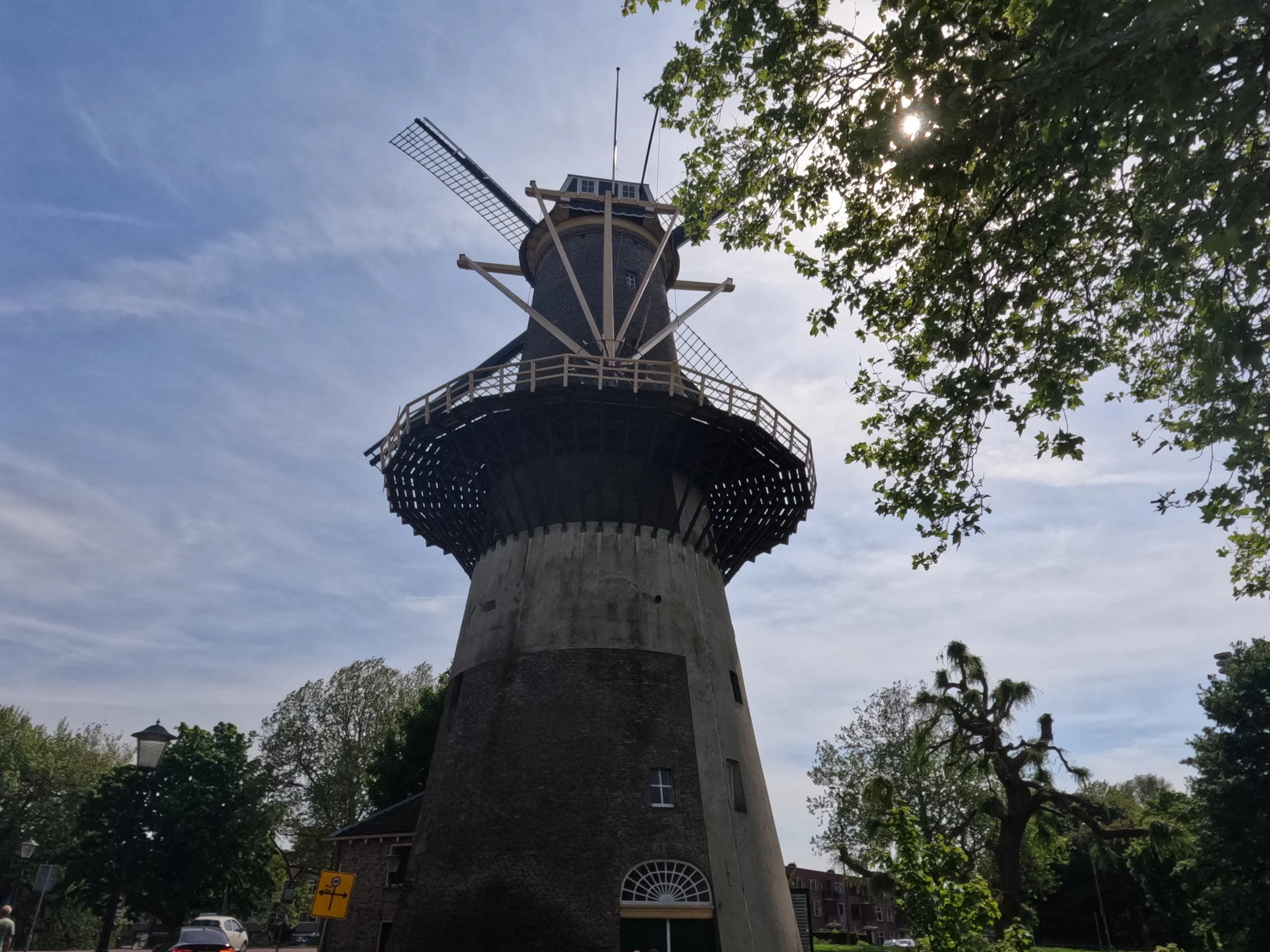
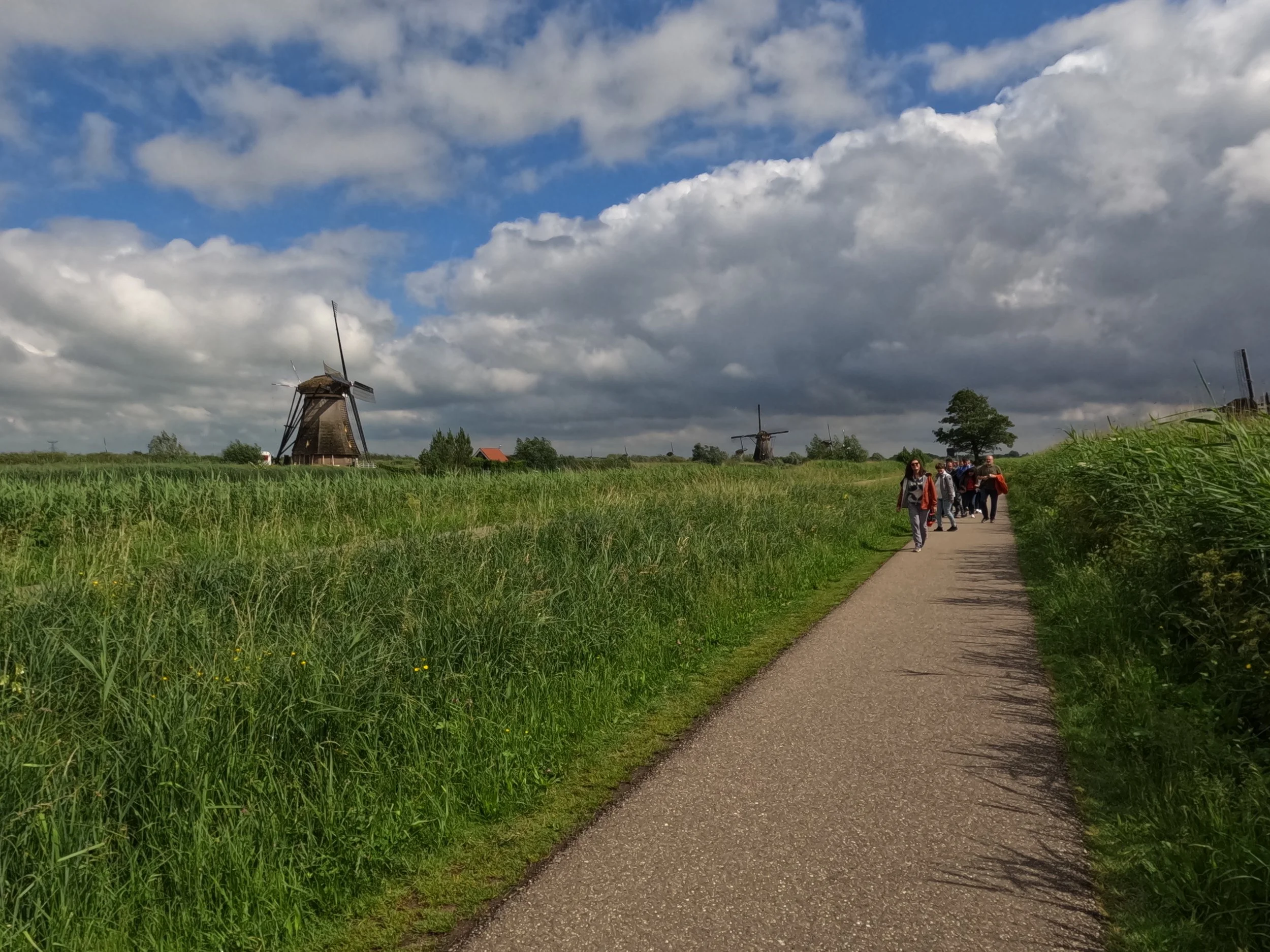
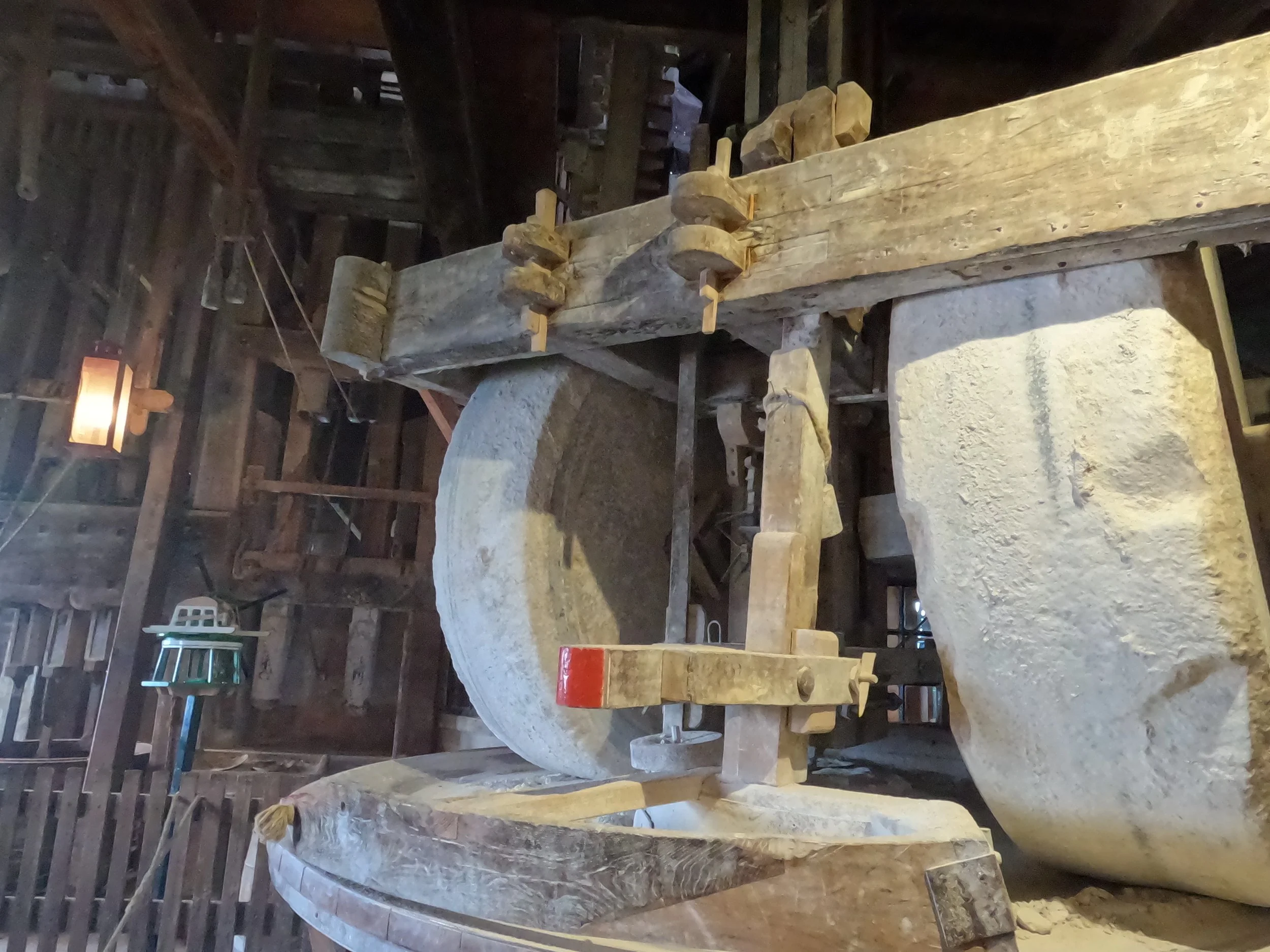
Home to the tallest windmills in the world, several still actively producing flour sold to local bakeries. Others have been repurposed as museums and restaurants, blending heritage preservation with cultural tourism. Visitors can speak with working millers, observe real production processes and experience the site as a living tradition rather than a curated display.
Marketing centres on community events and educational outreach, and authenticity remains the core brand value.
Schiedam
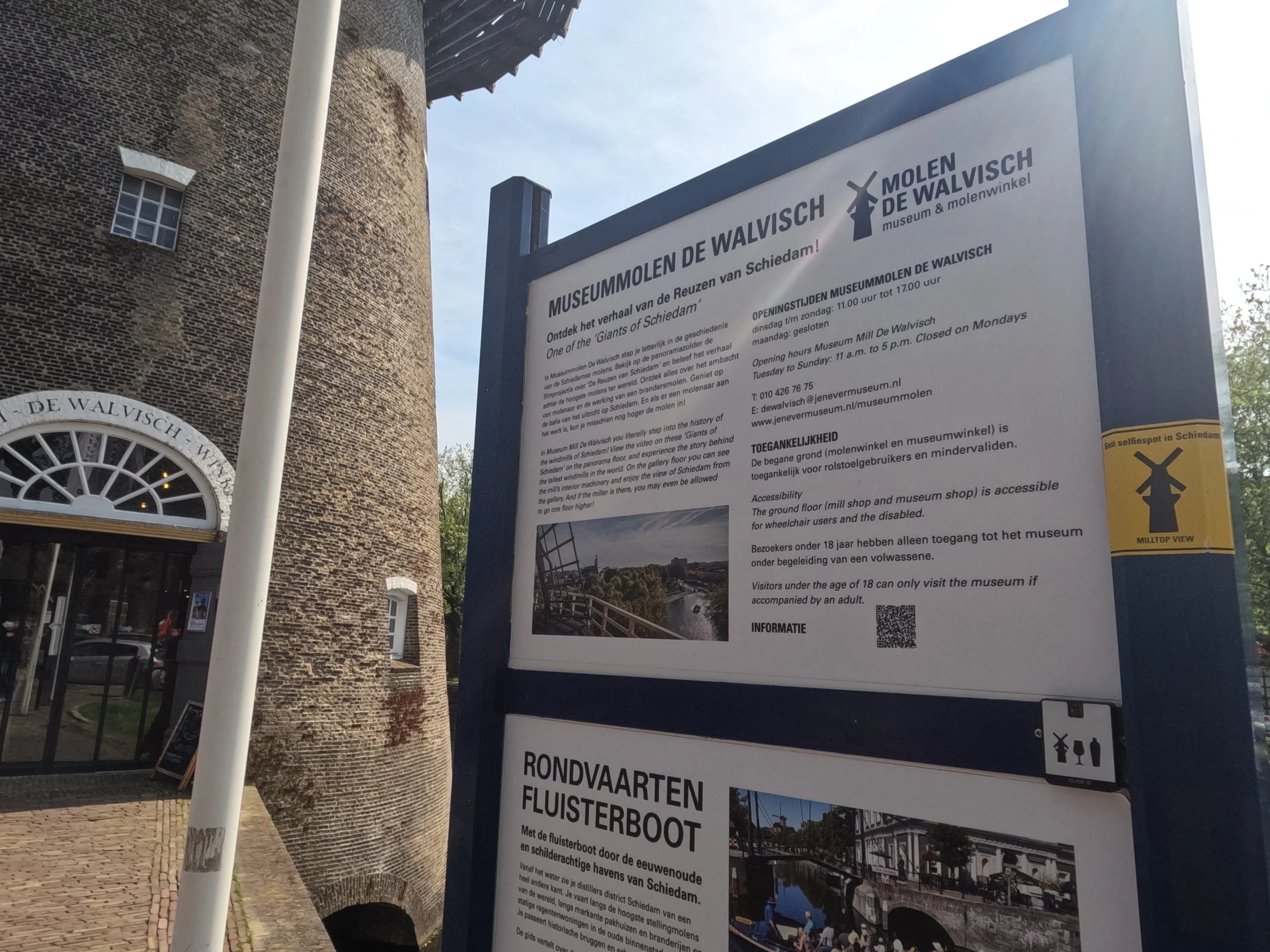
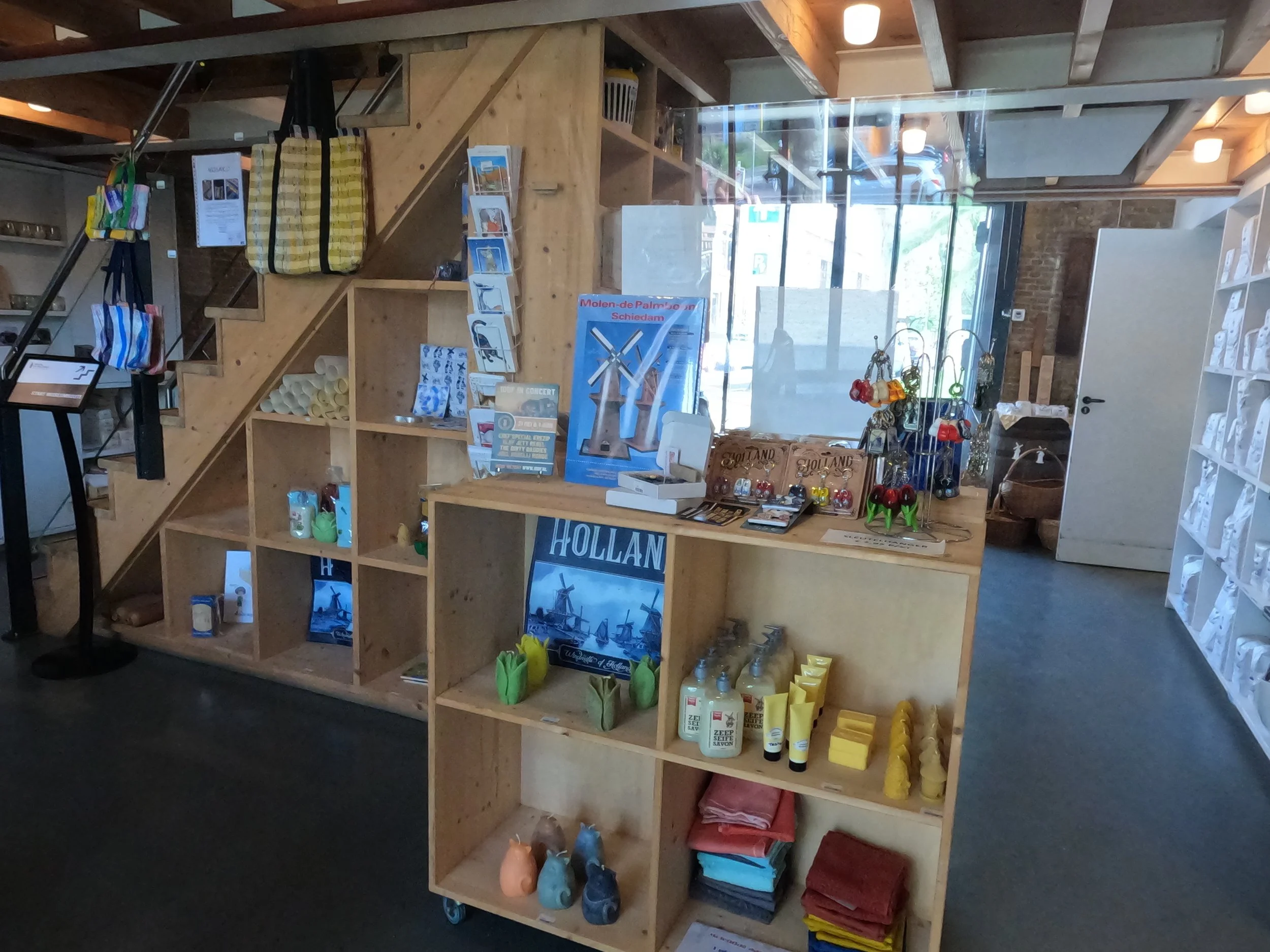
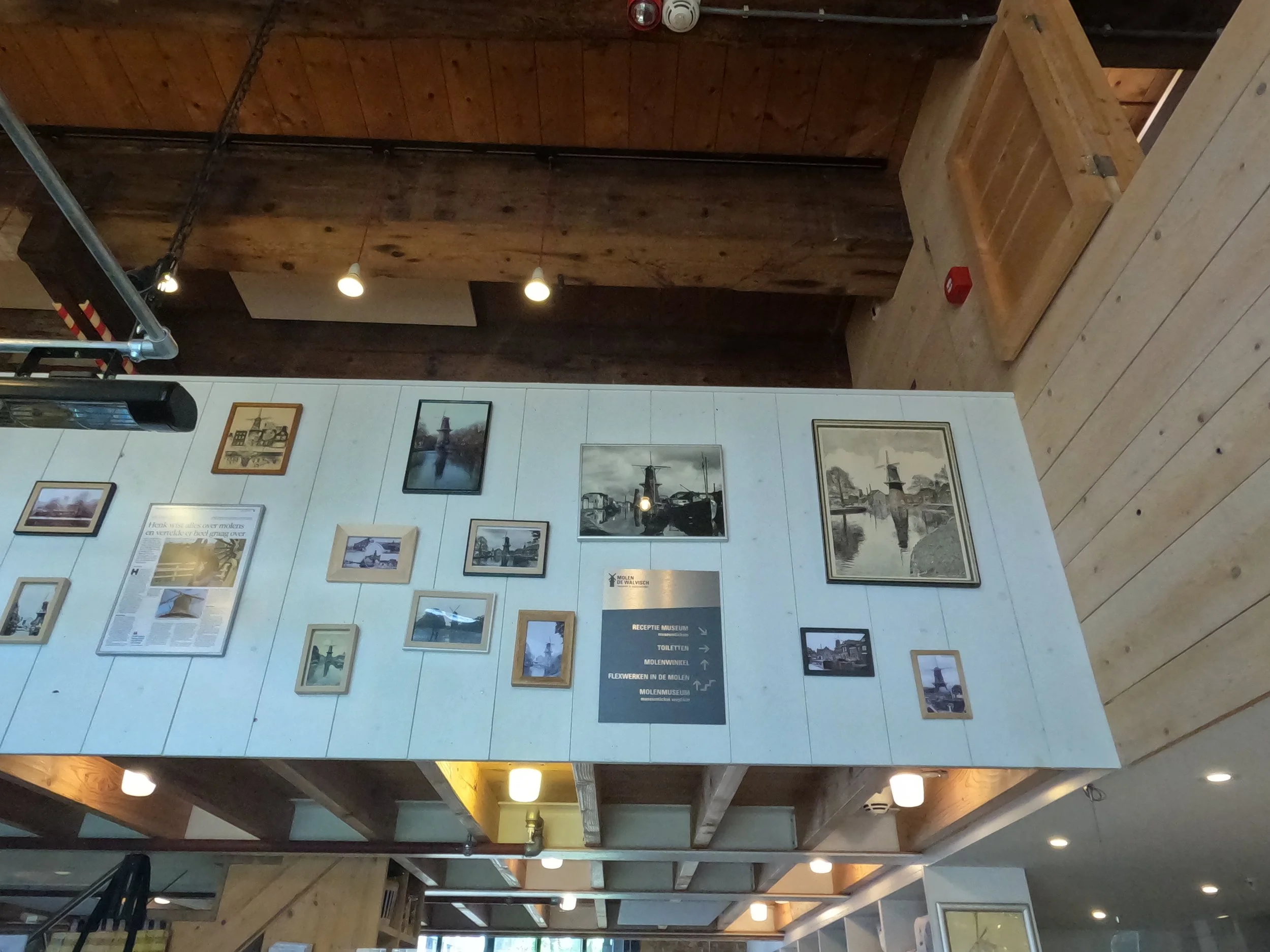
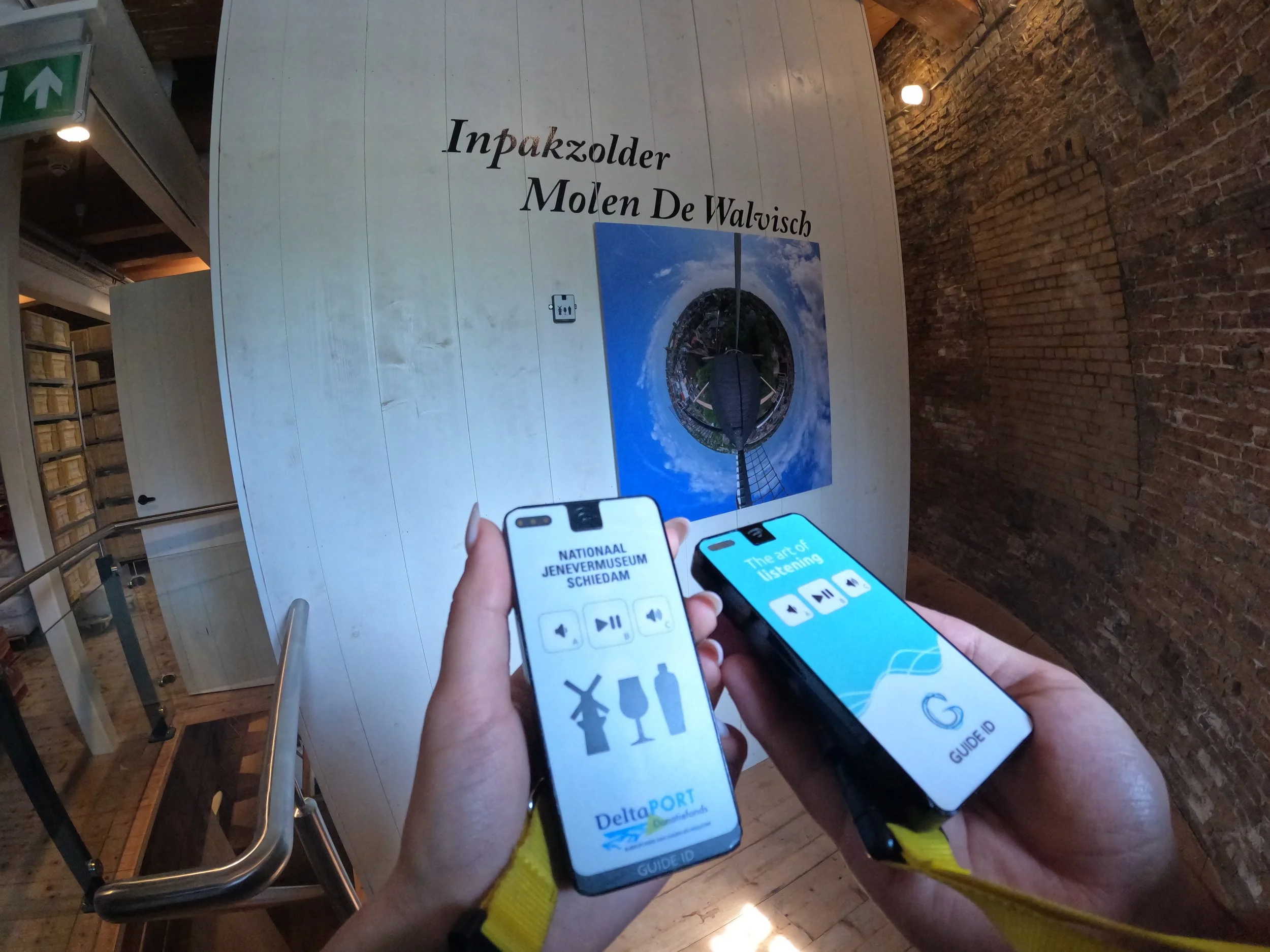
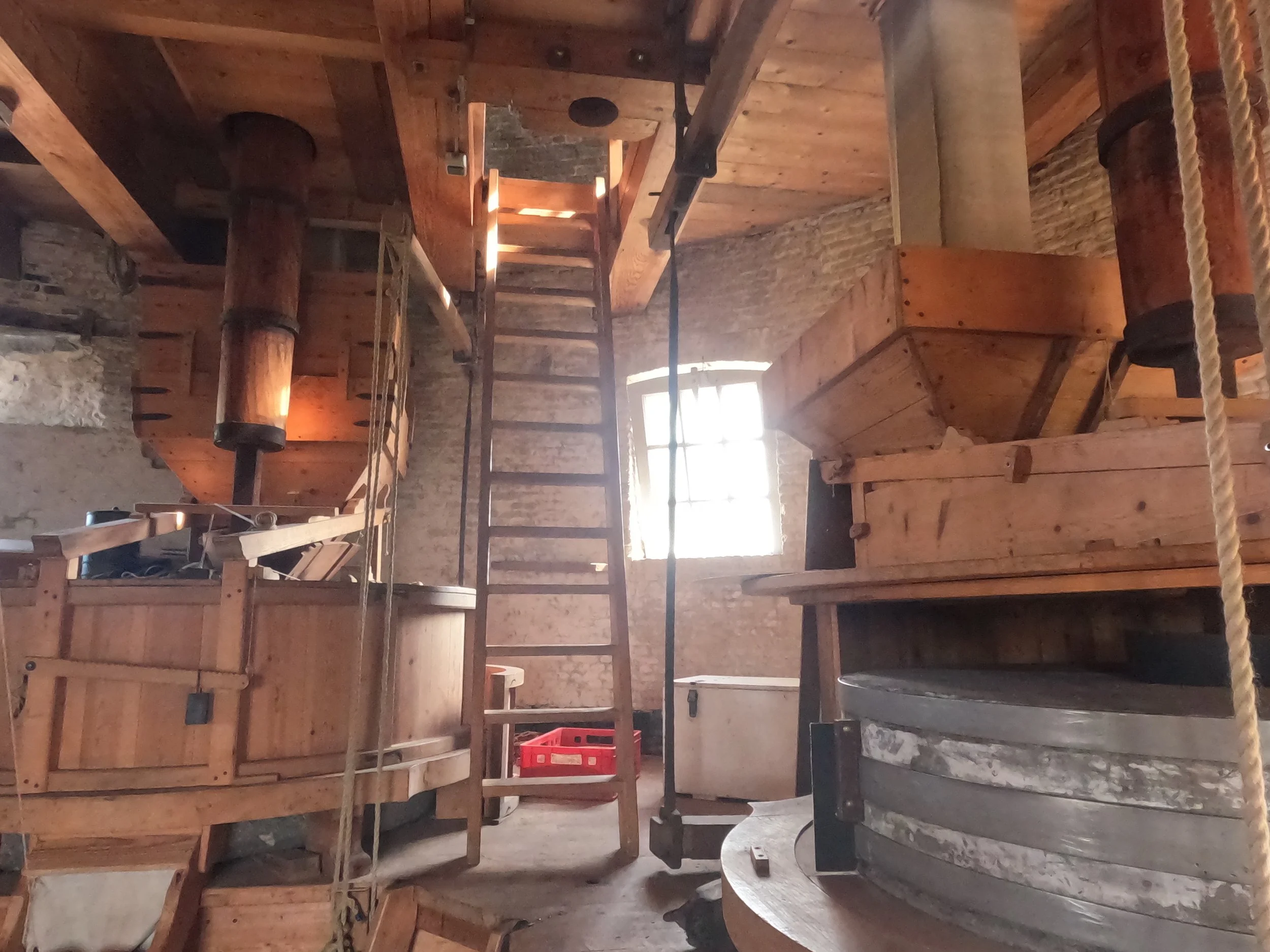
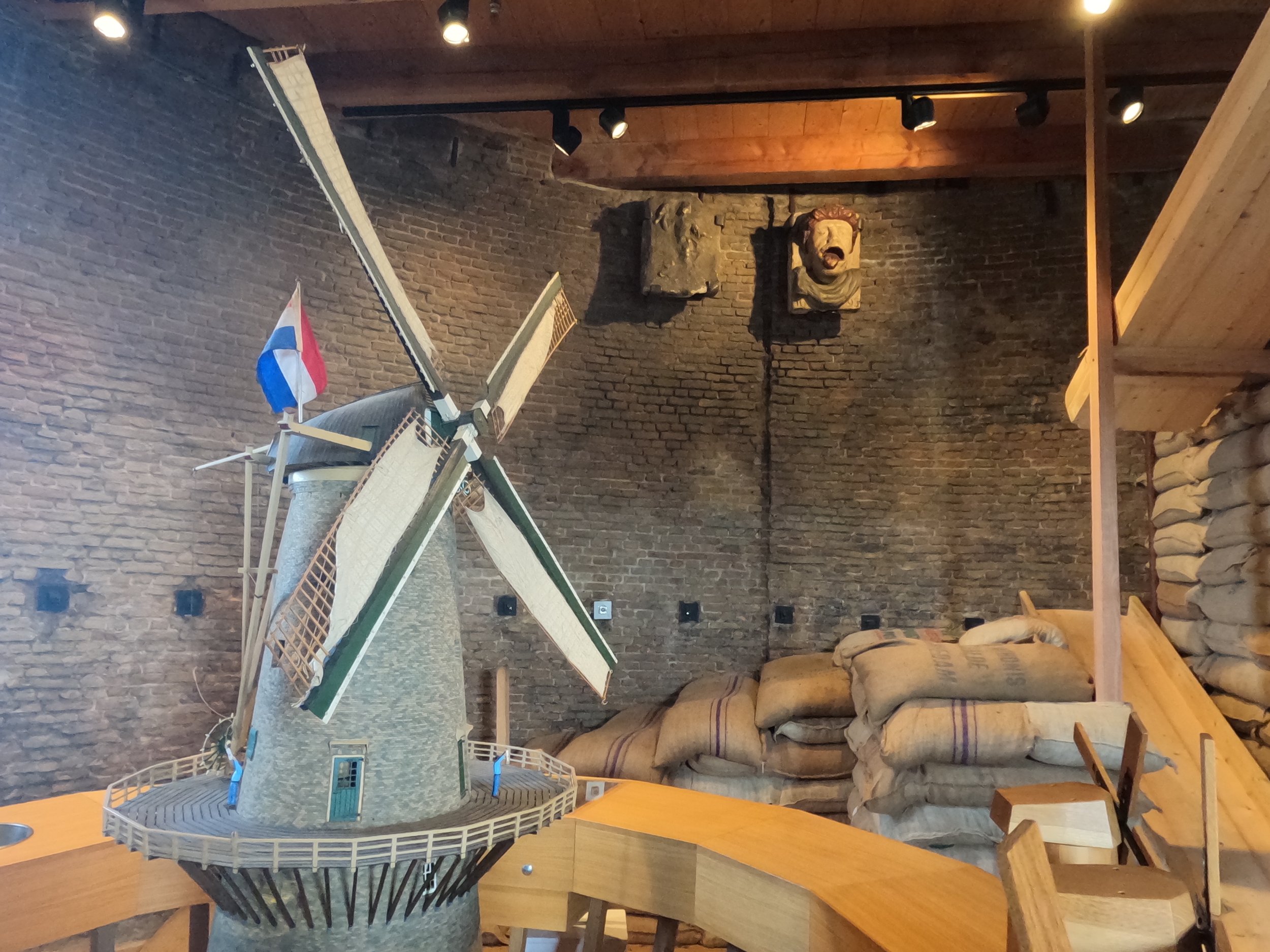
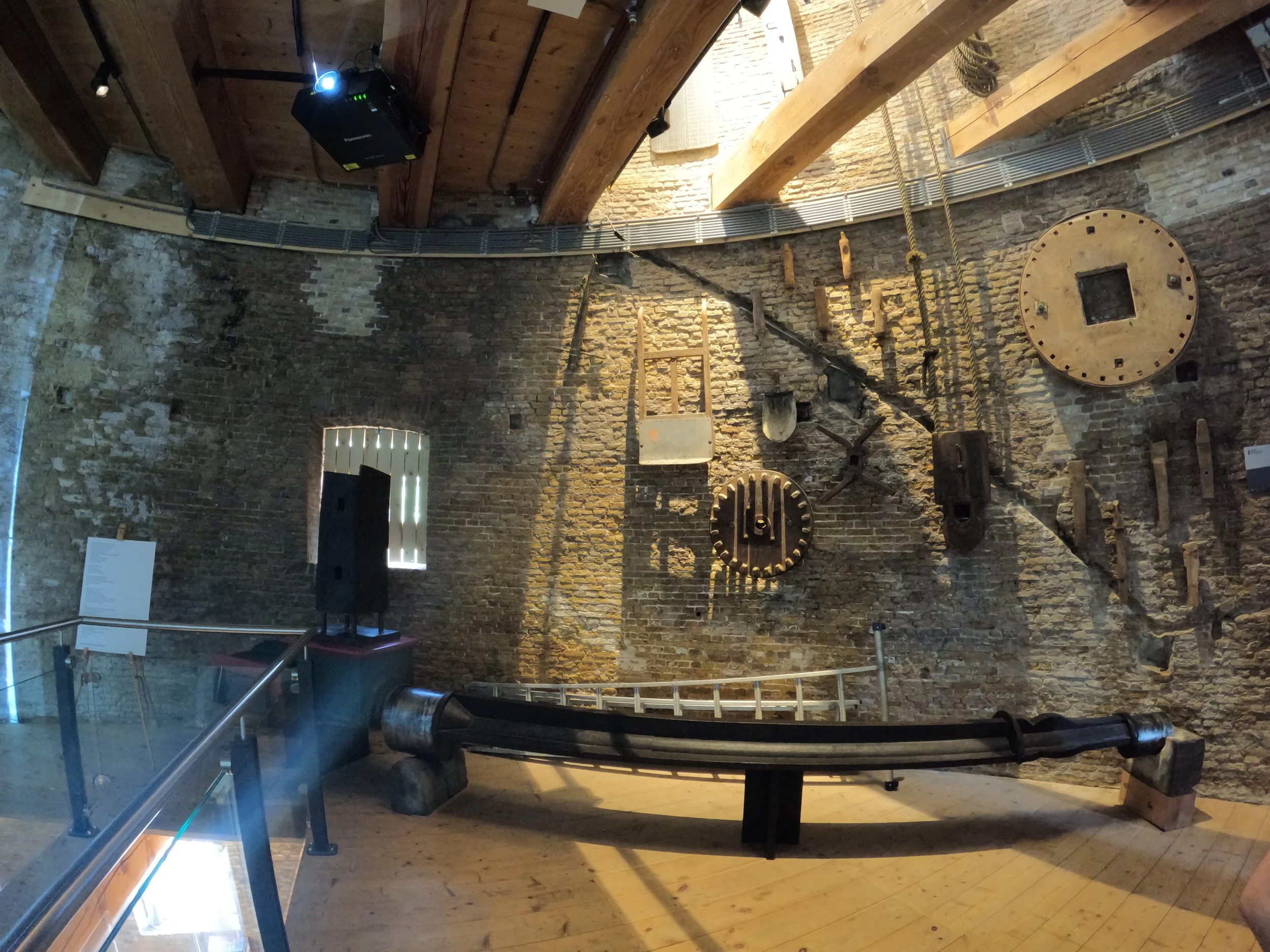
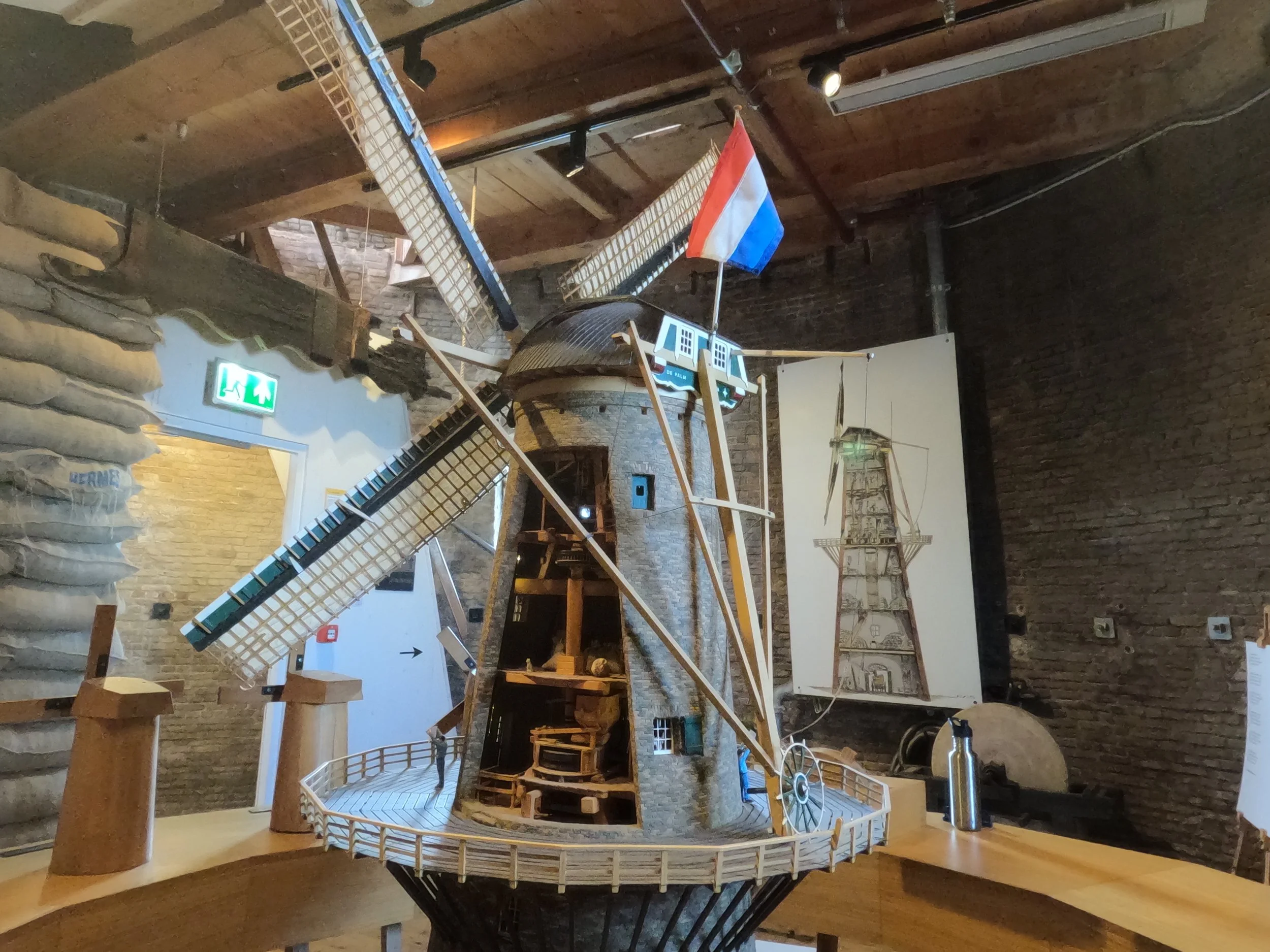
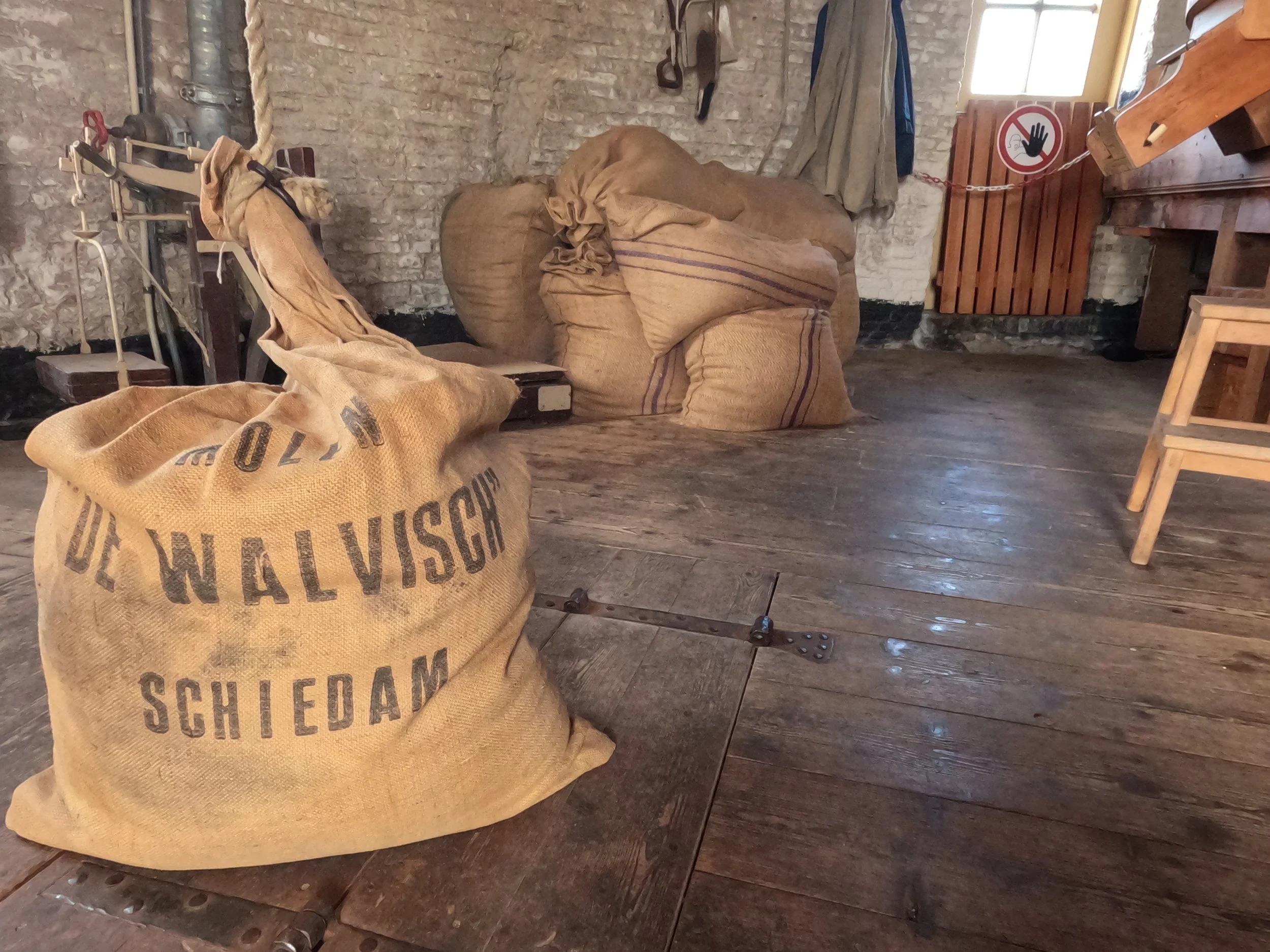
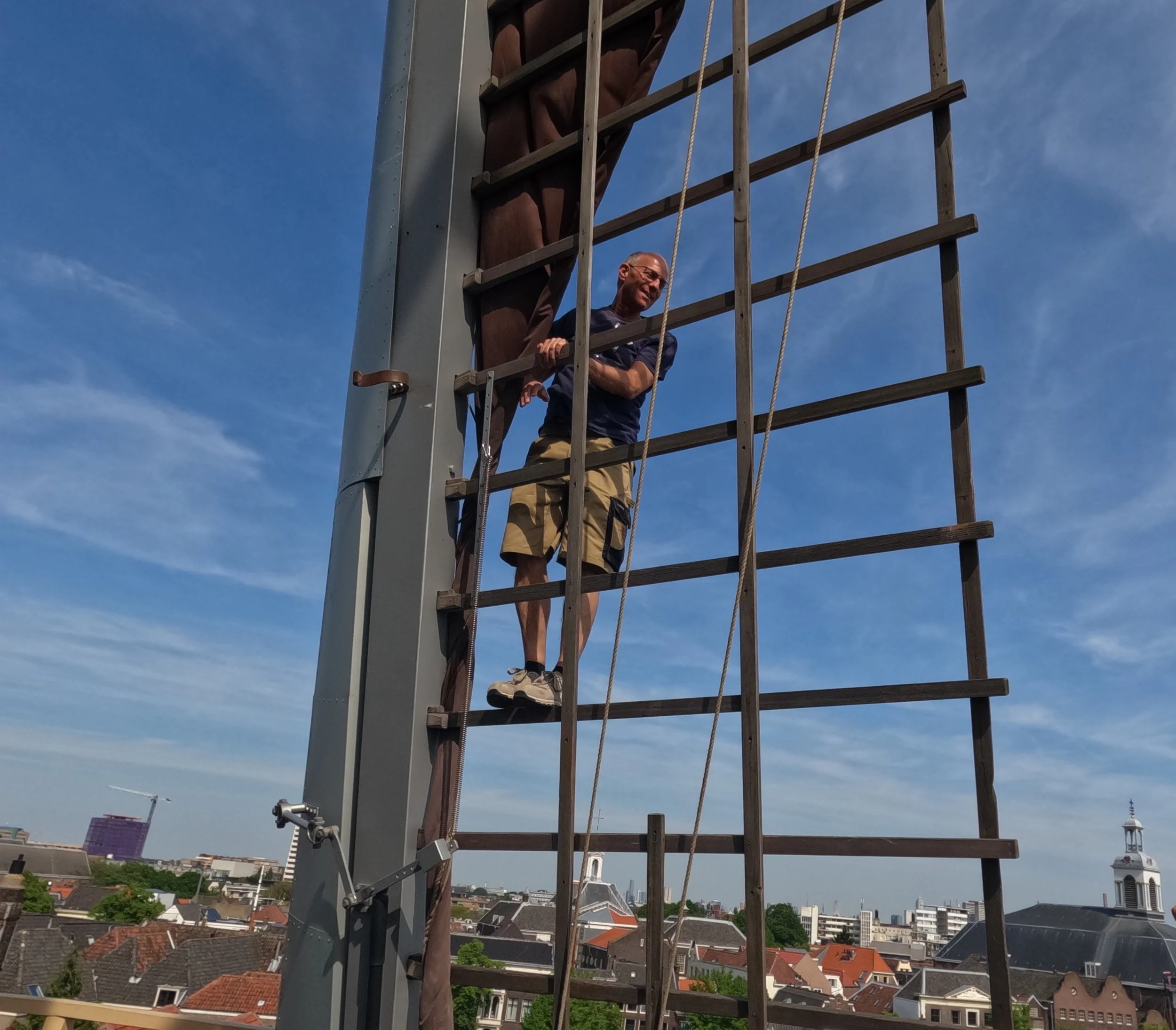
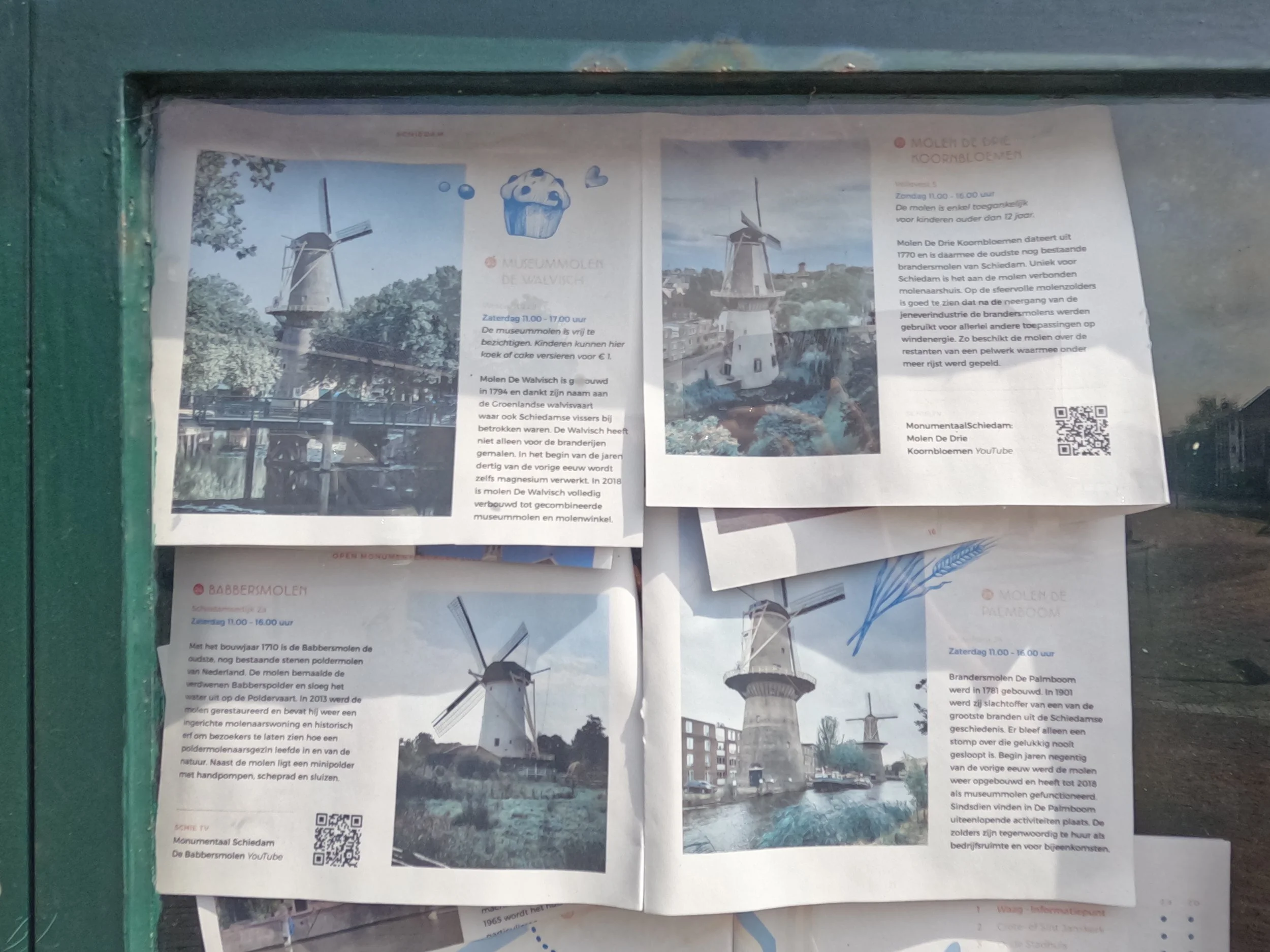
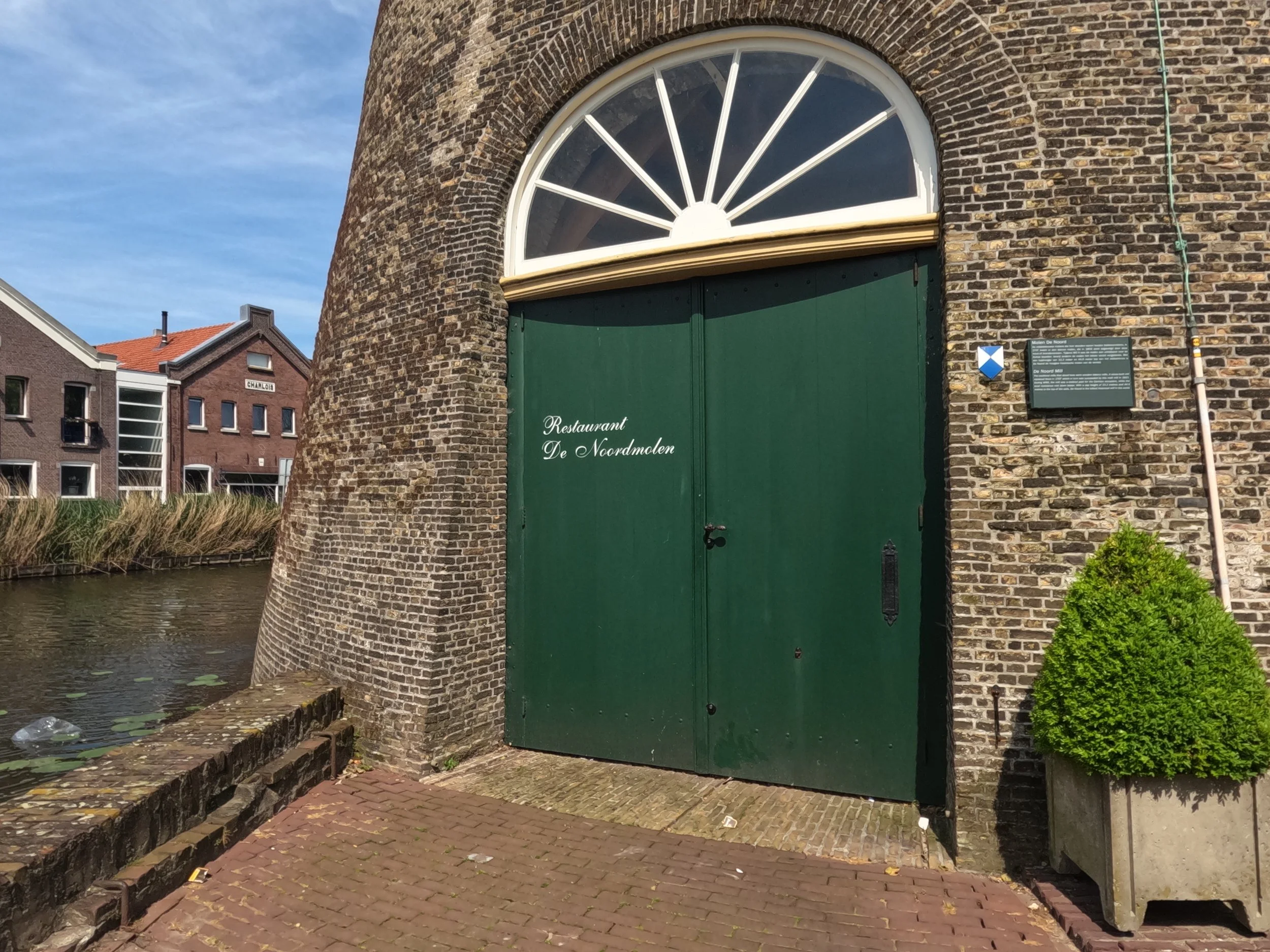
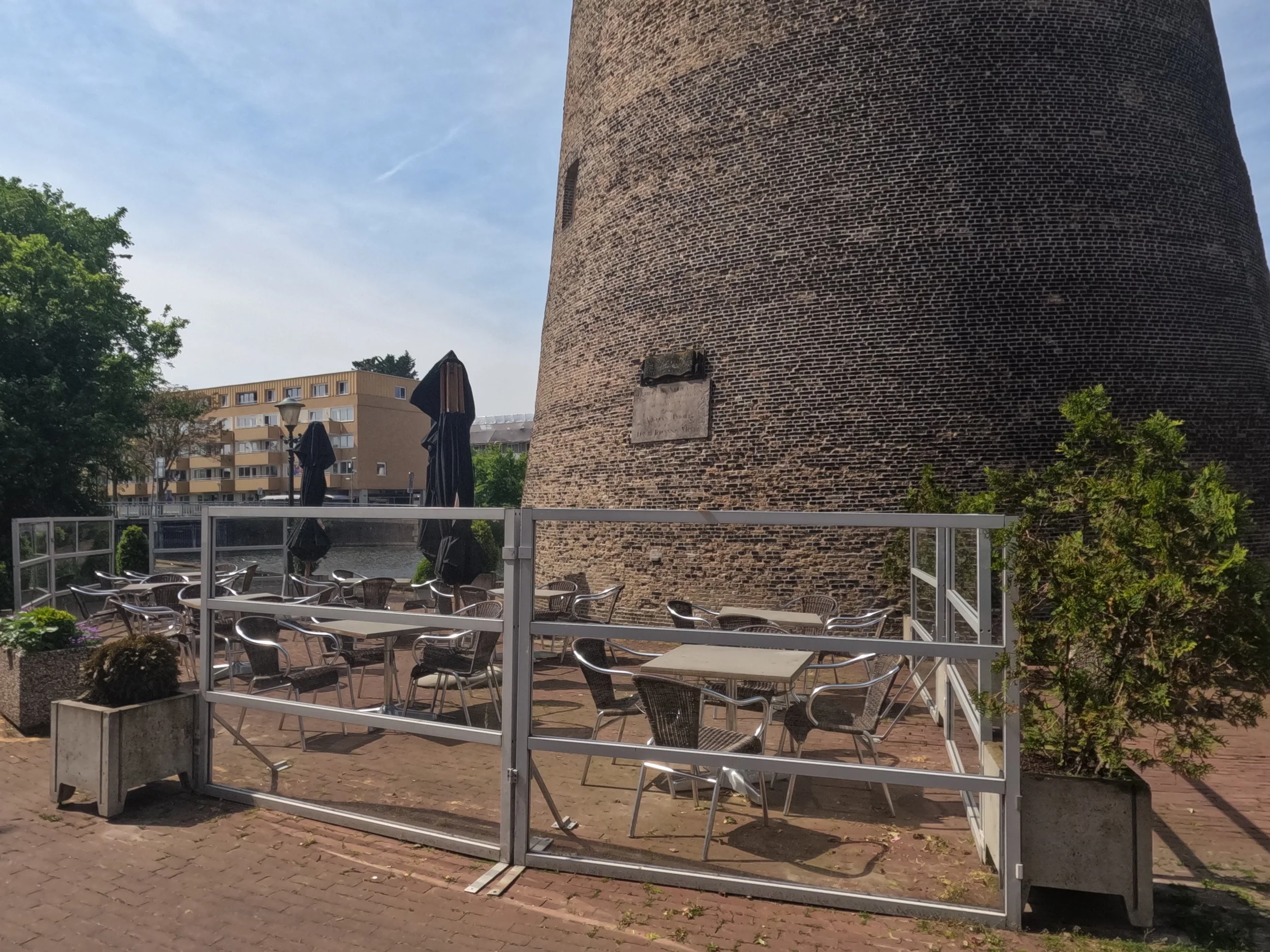
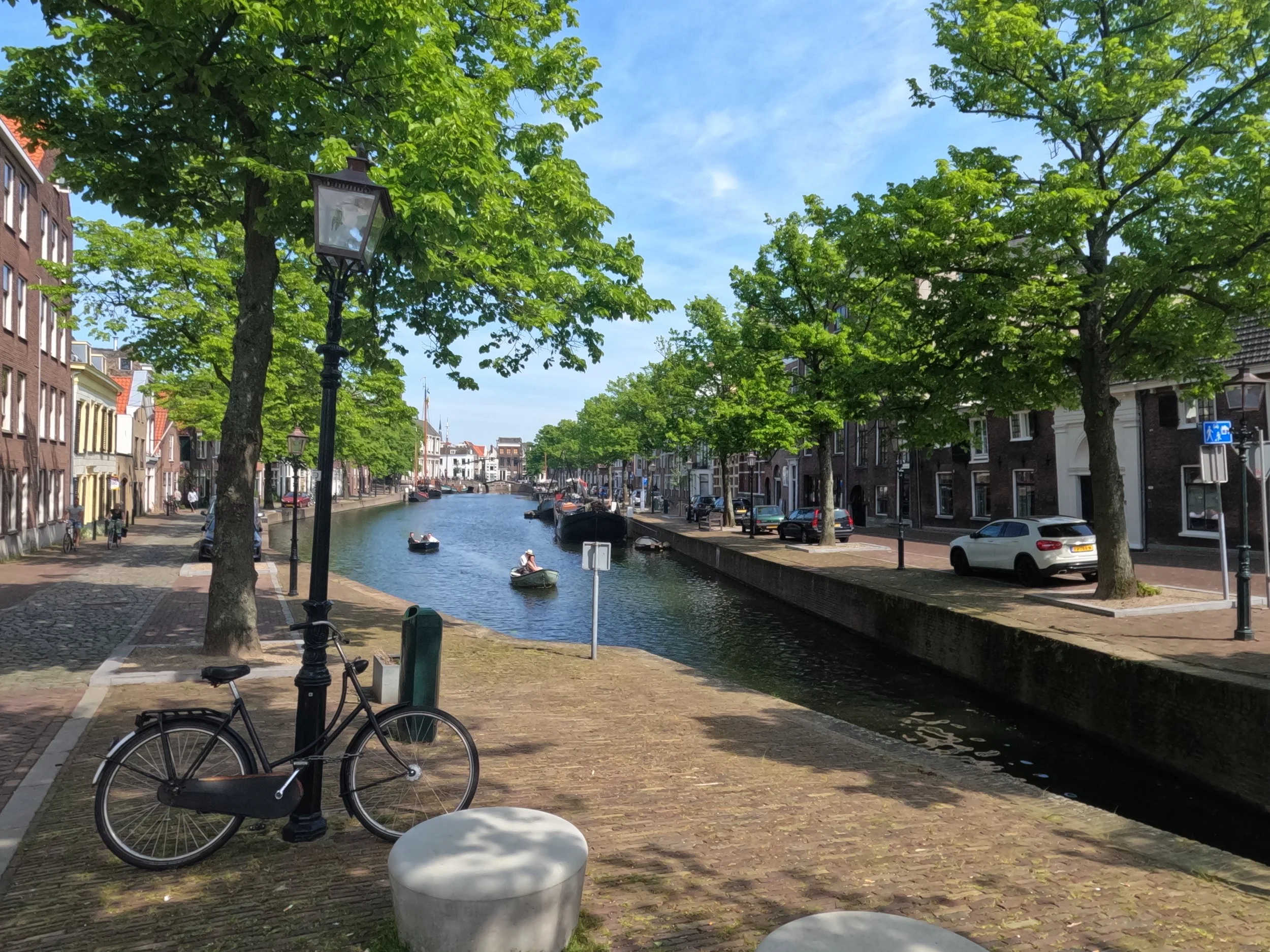
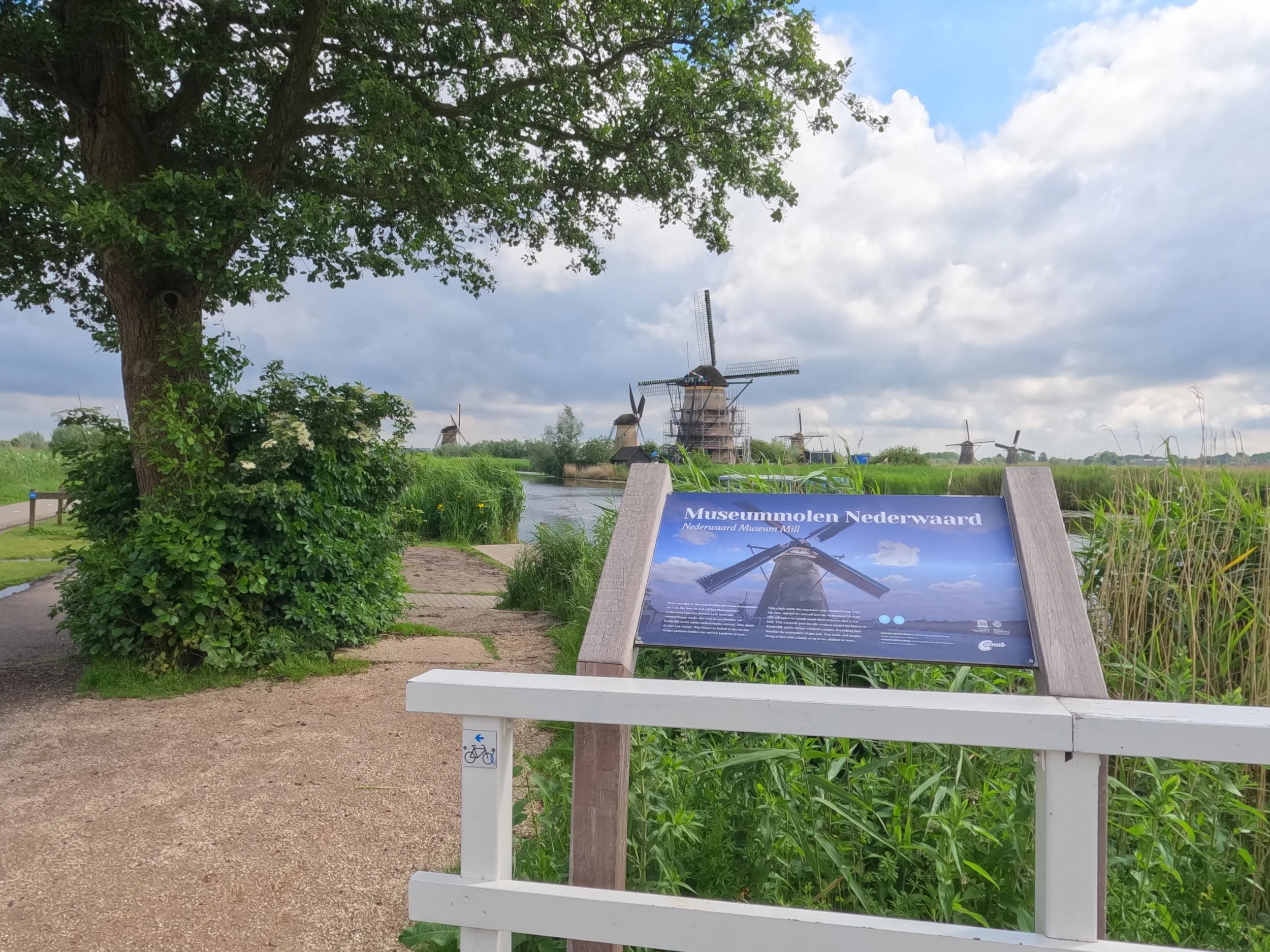
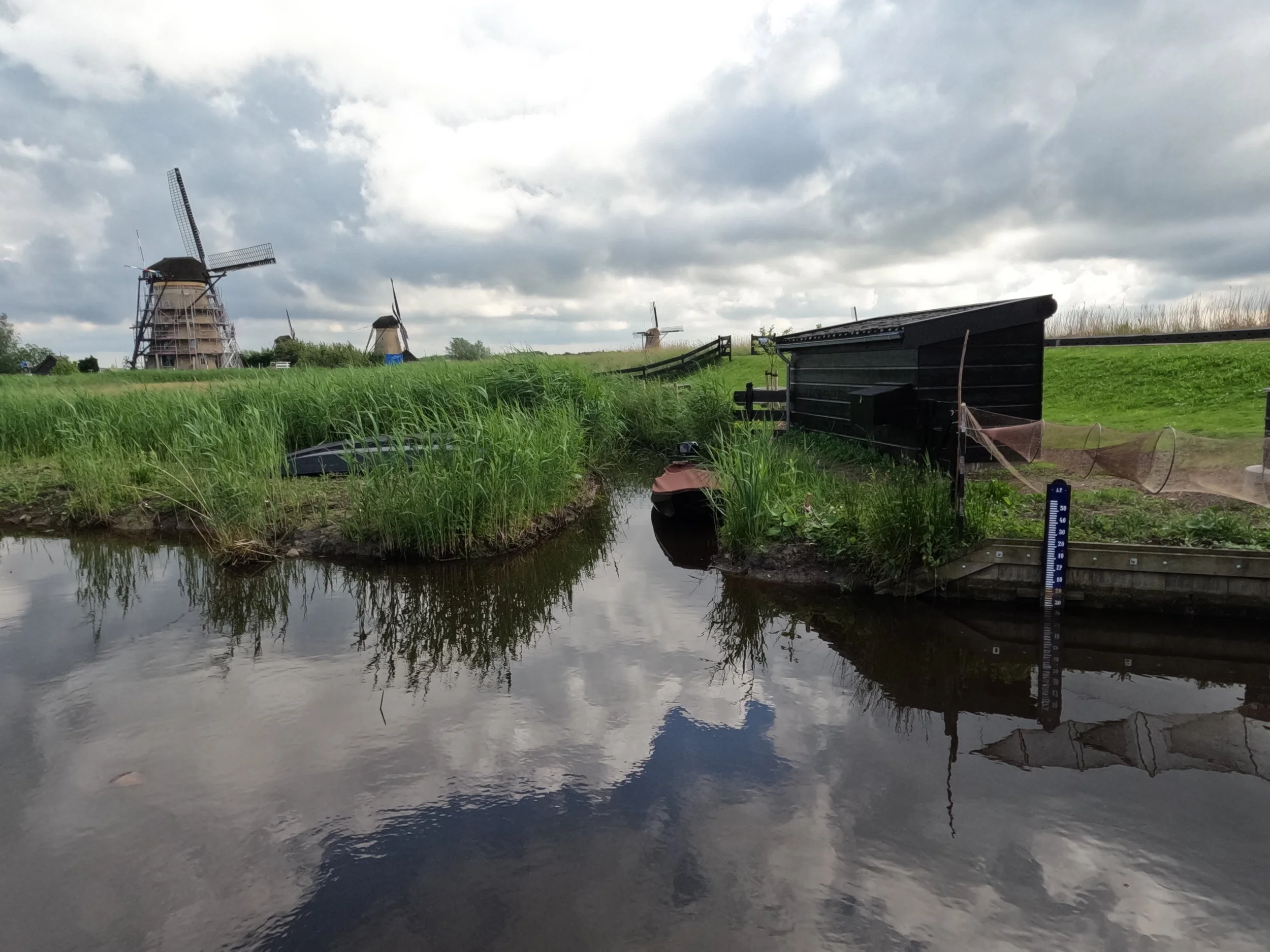
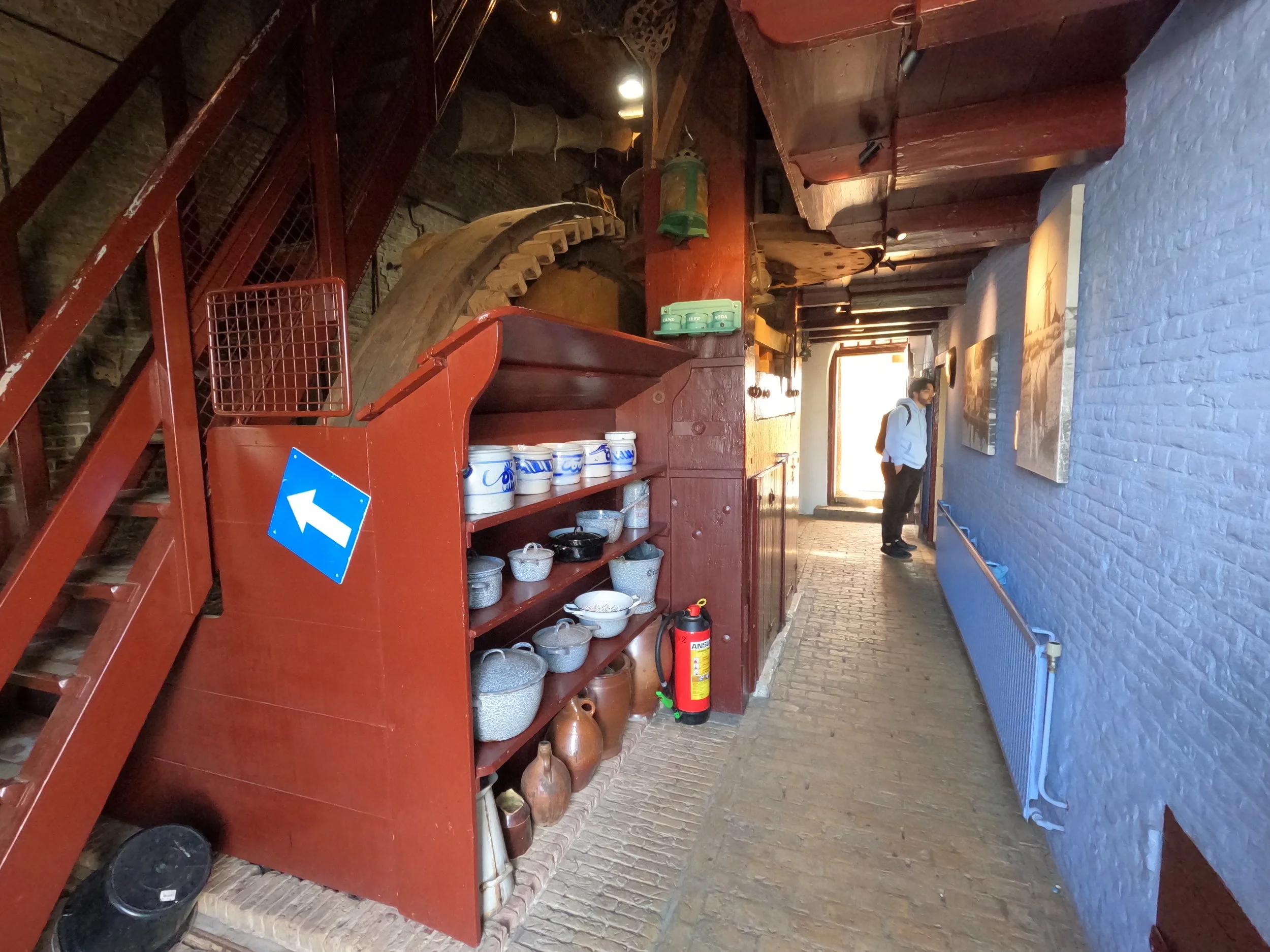
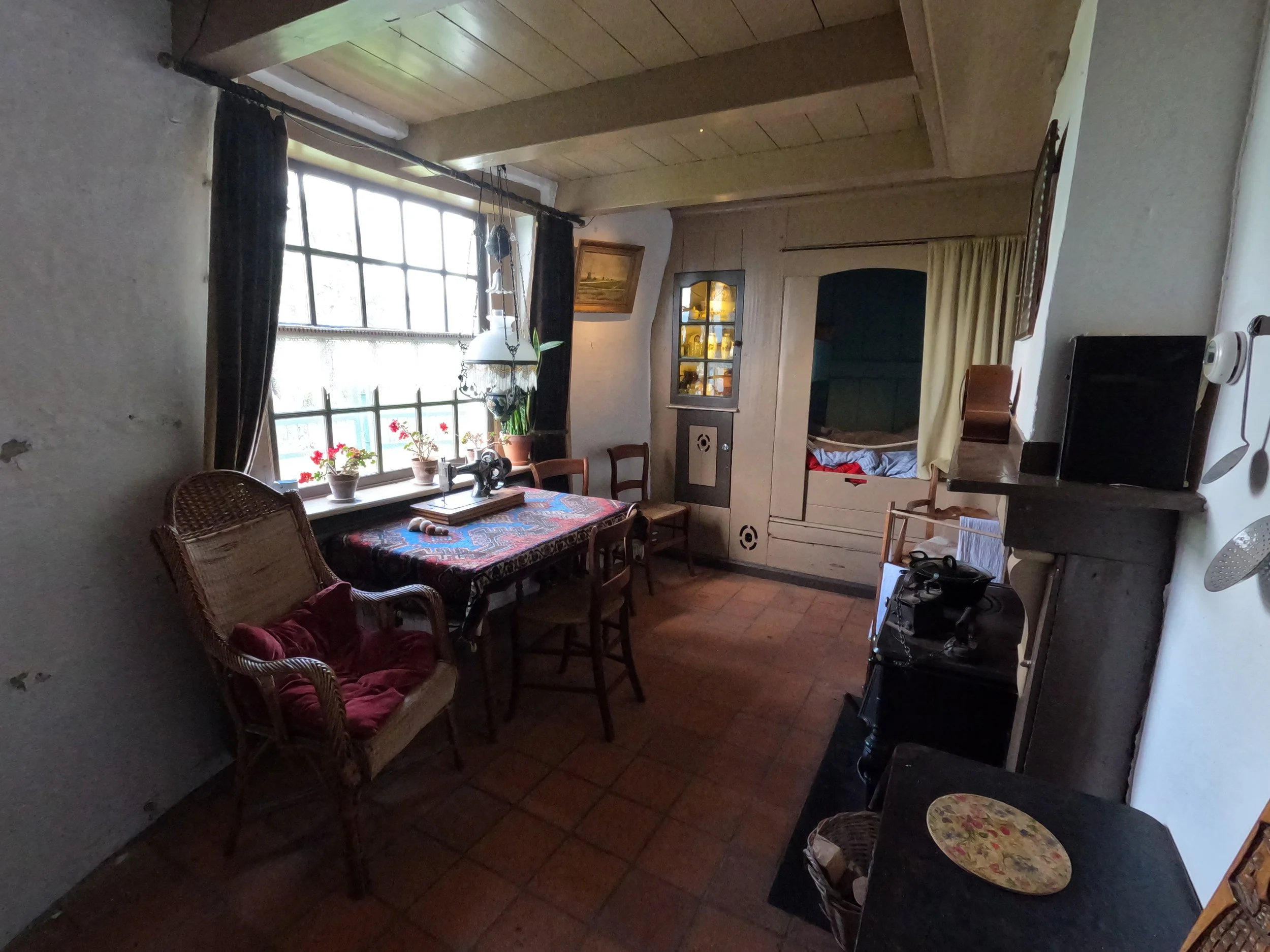
19 UNESCO-listed windmills. Some windmills have been converted into museums open to the public, while others remain active working homes for miller families who have lived on site for generations.
To manage growing tourism demand without compromising that authenticity, Kinderdijk has developed a data-driven approach: time-slot ticketing, experiential storytelling and B2B partnerships with tour operators.
Kinderdijk - UNESCO Heritage
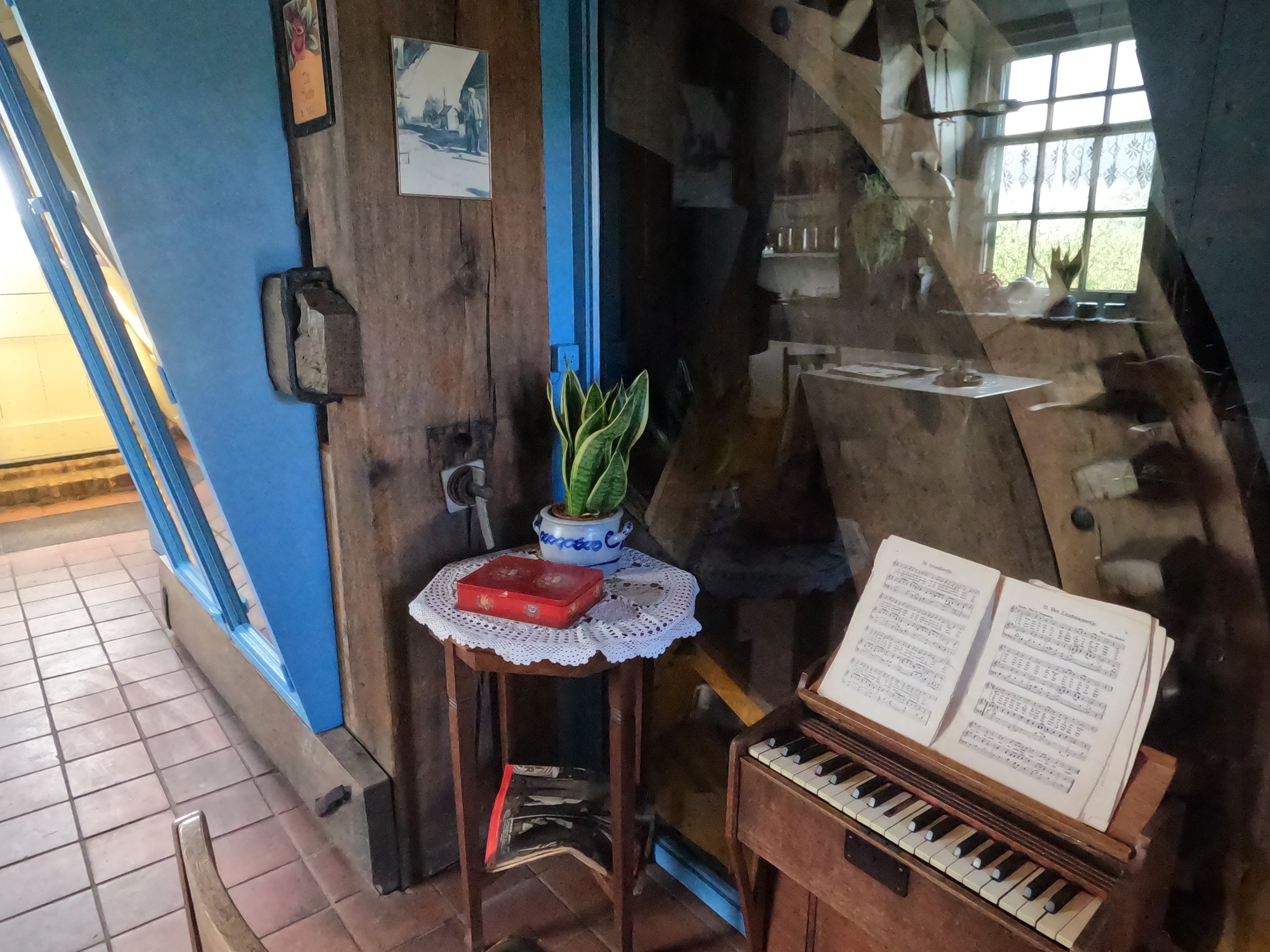
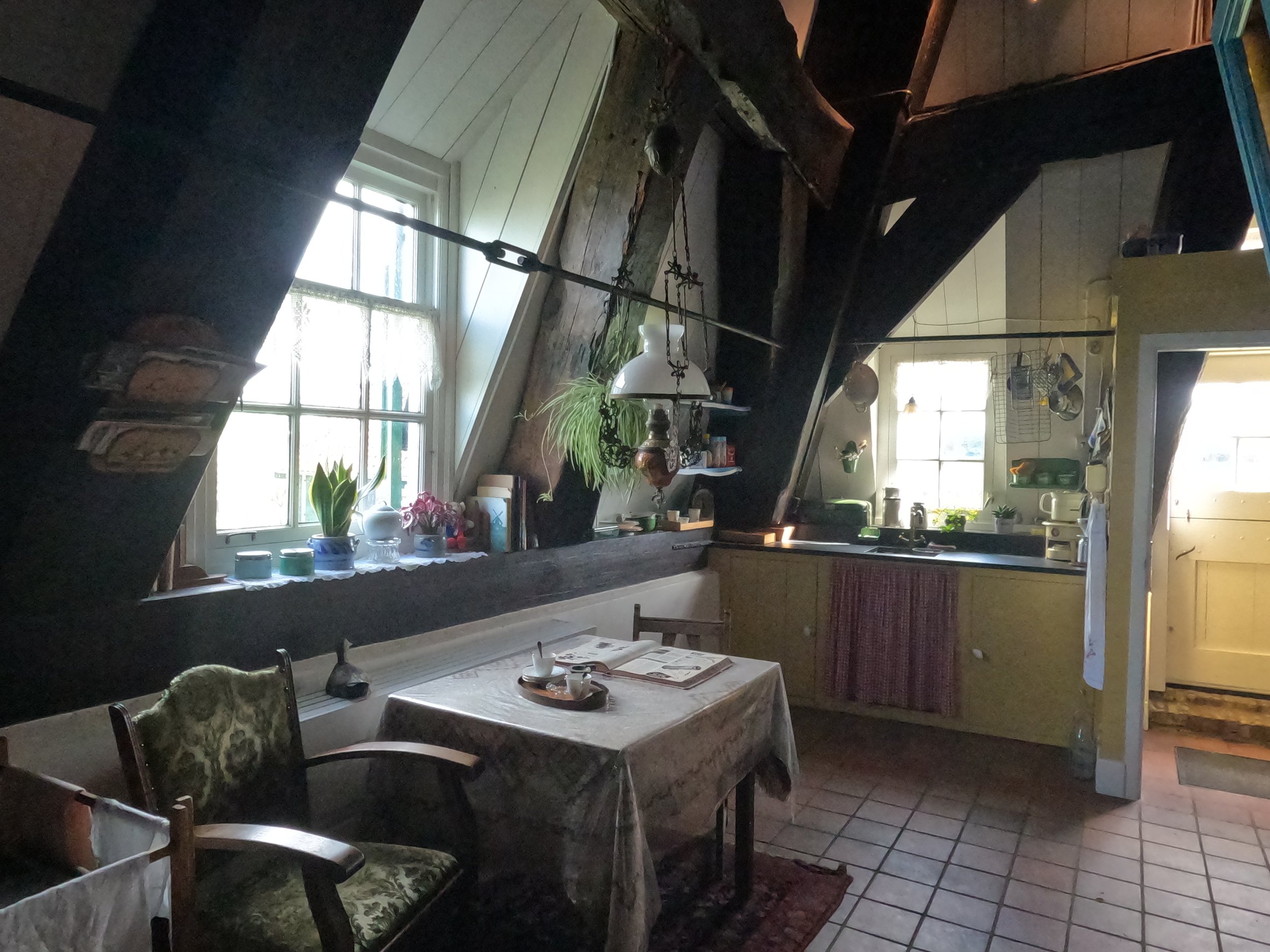
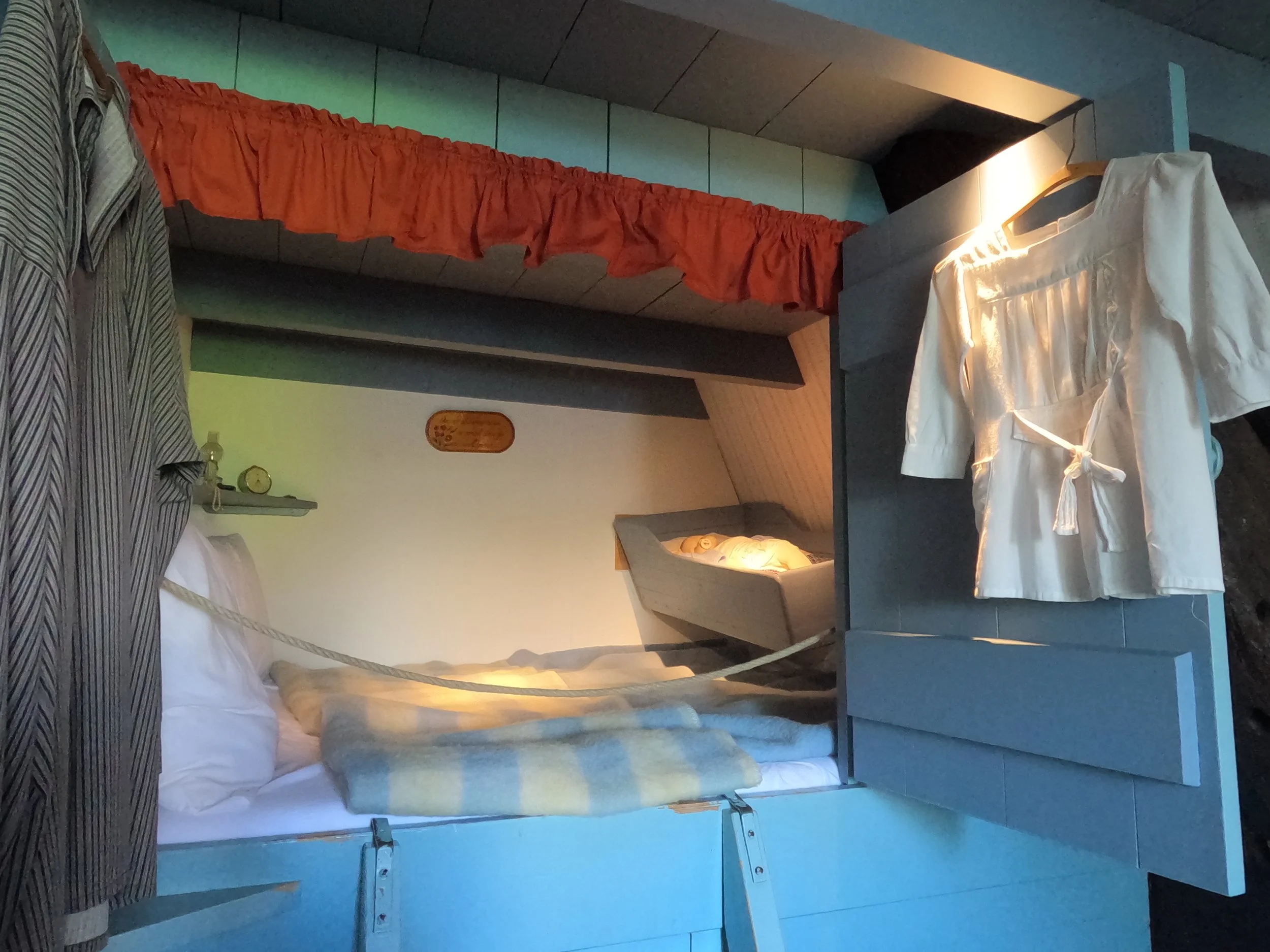
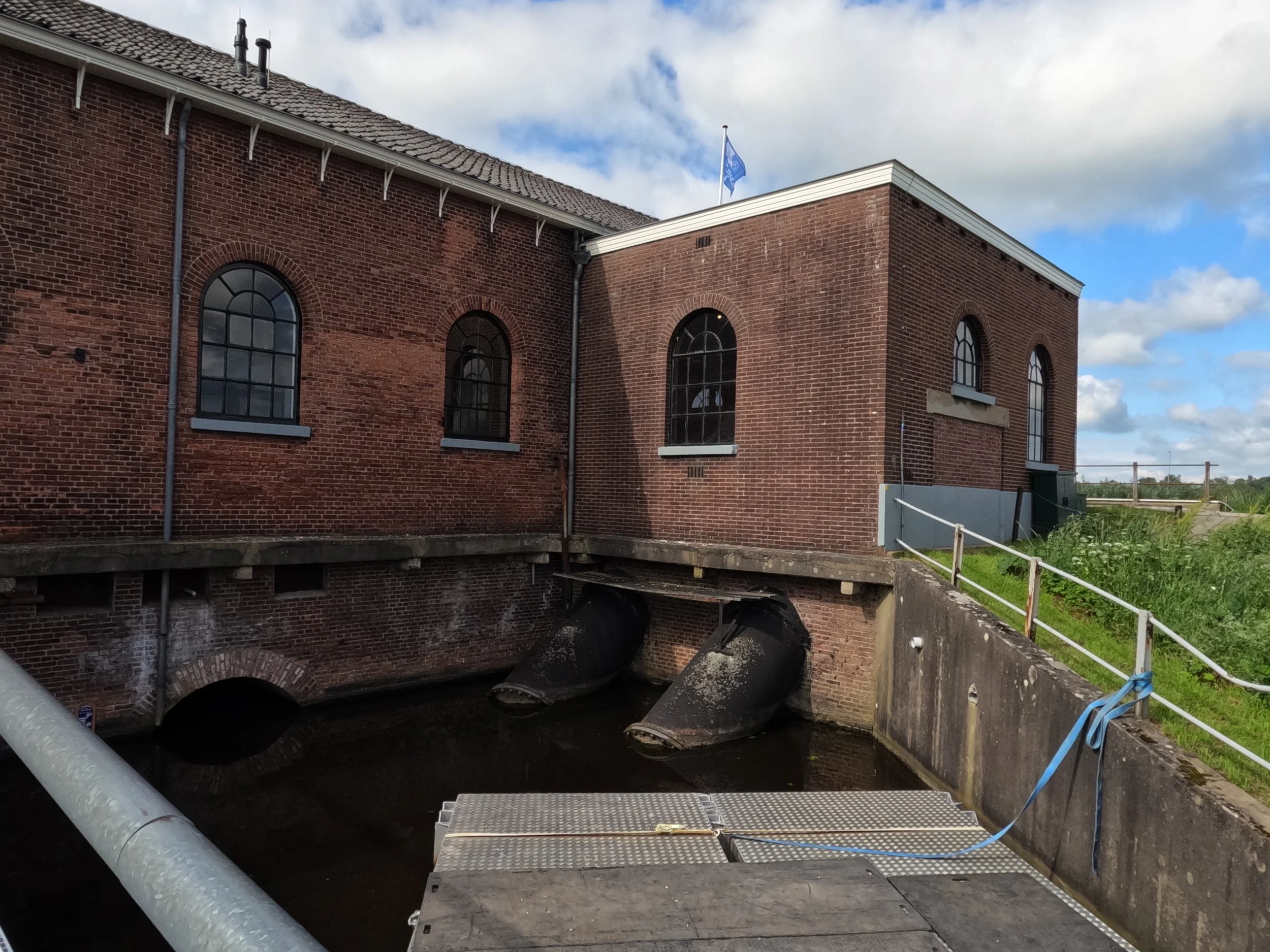
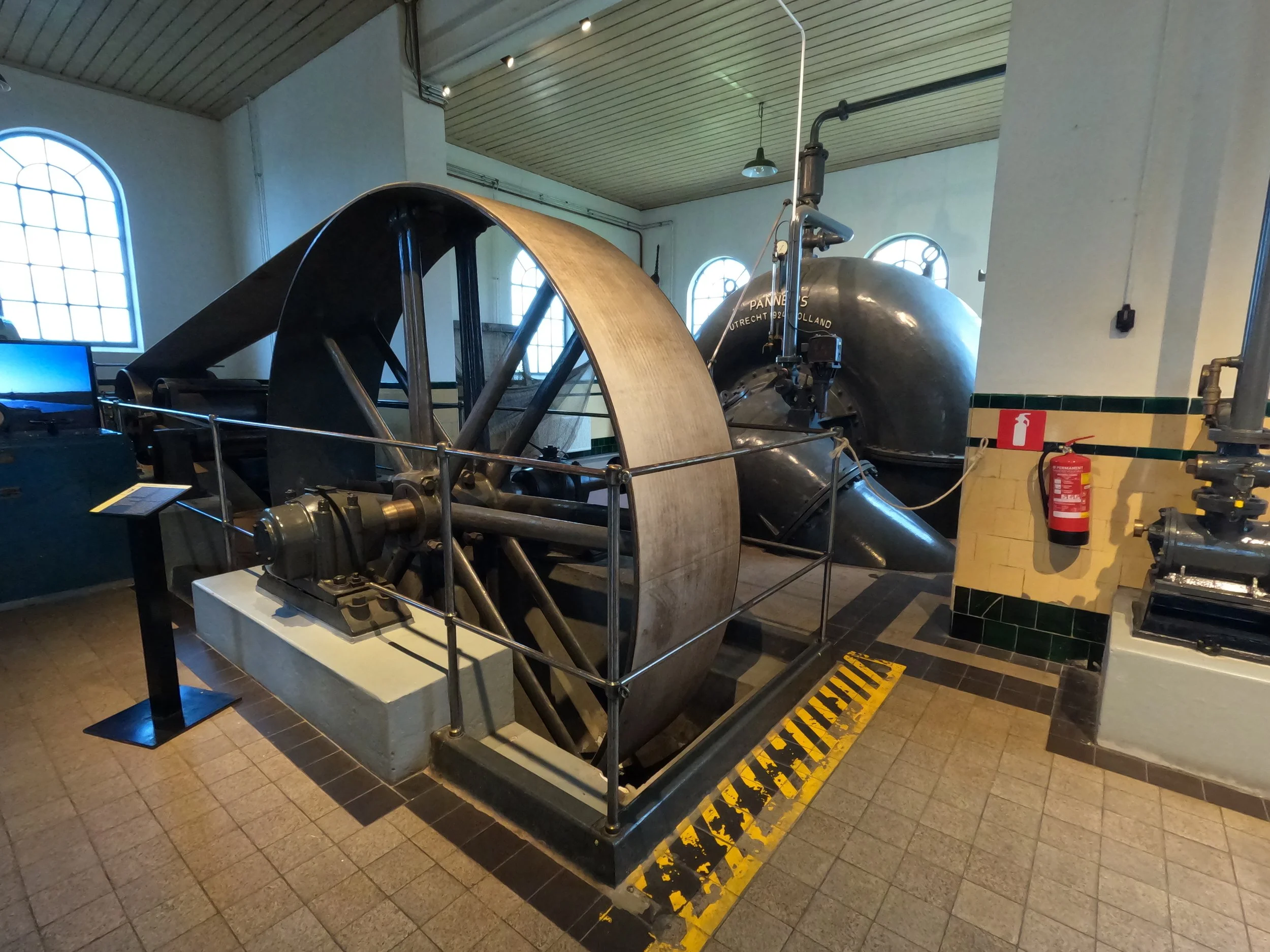
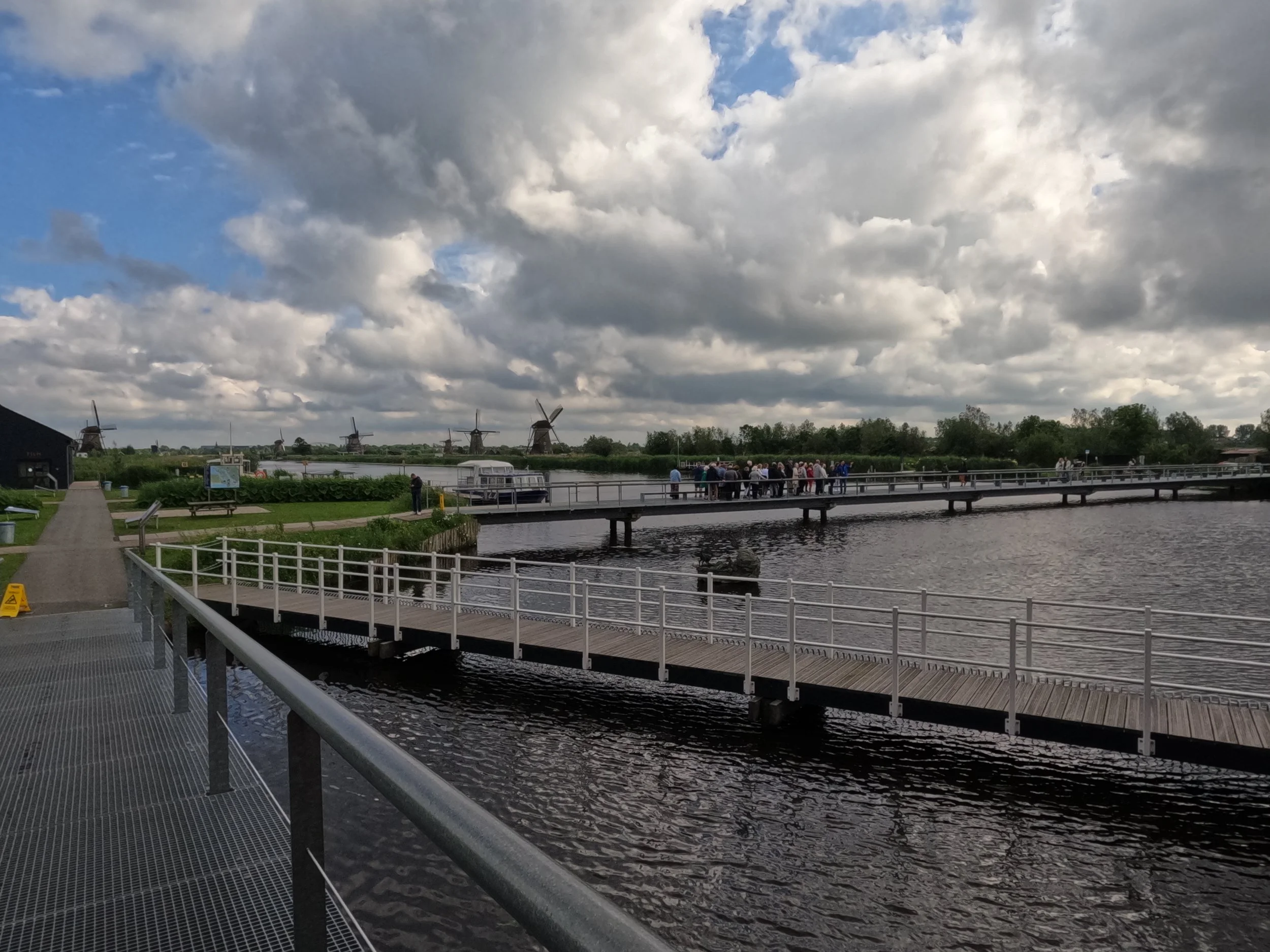
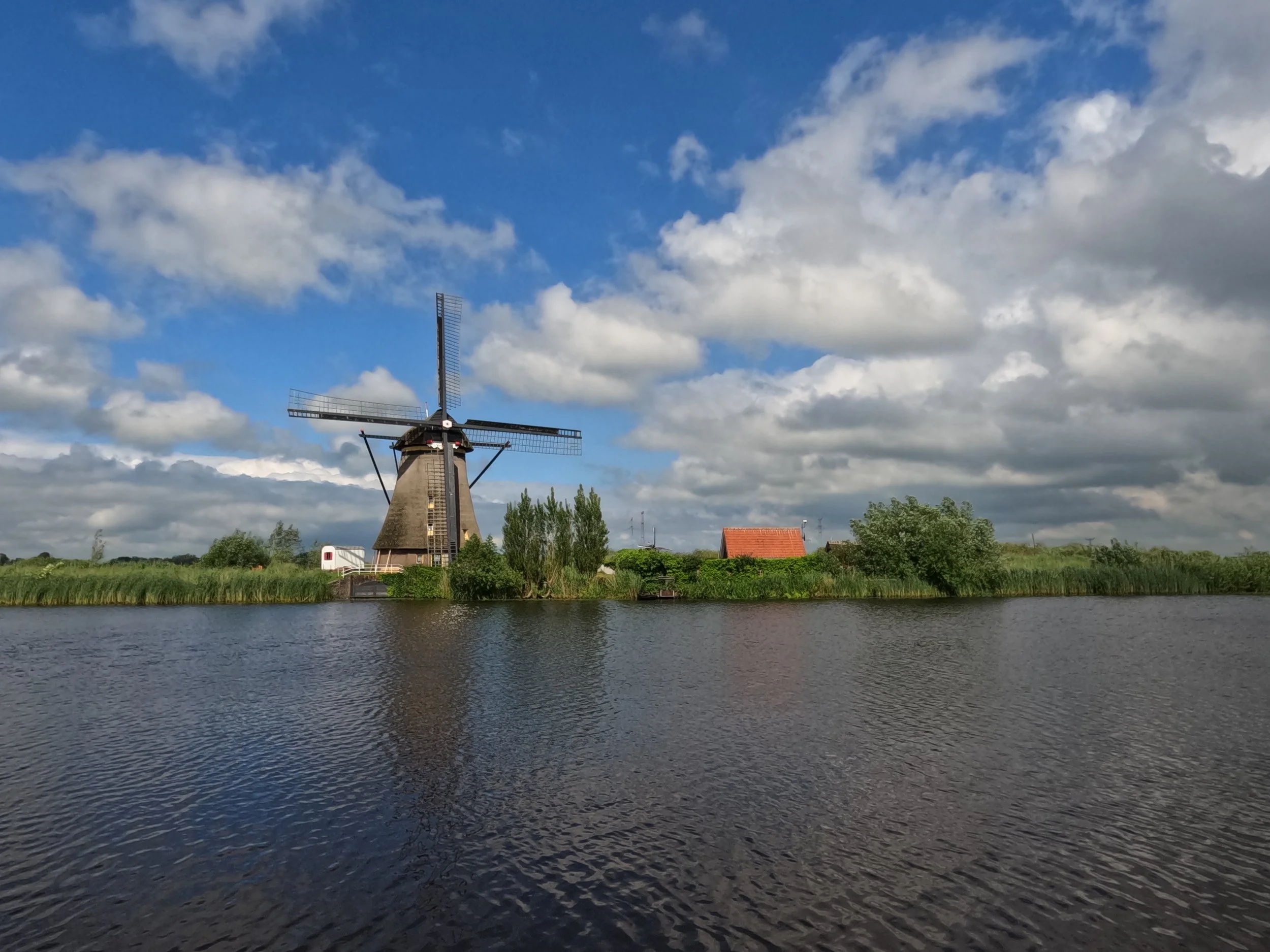
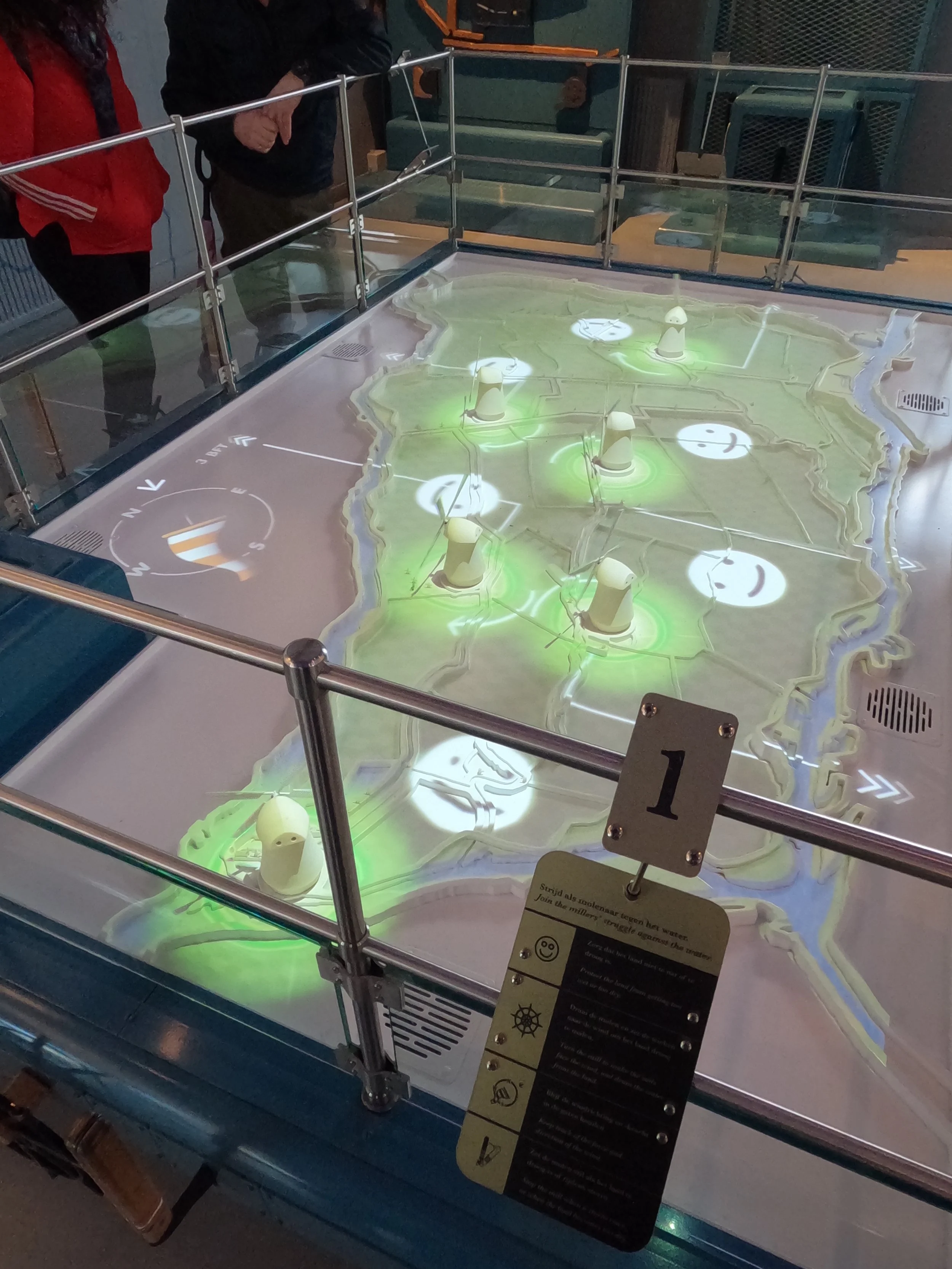
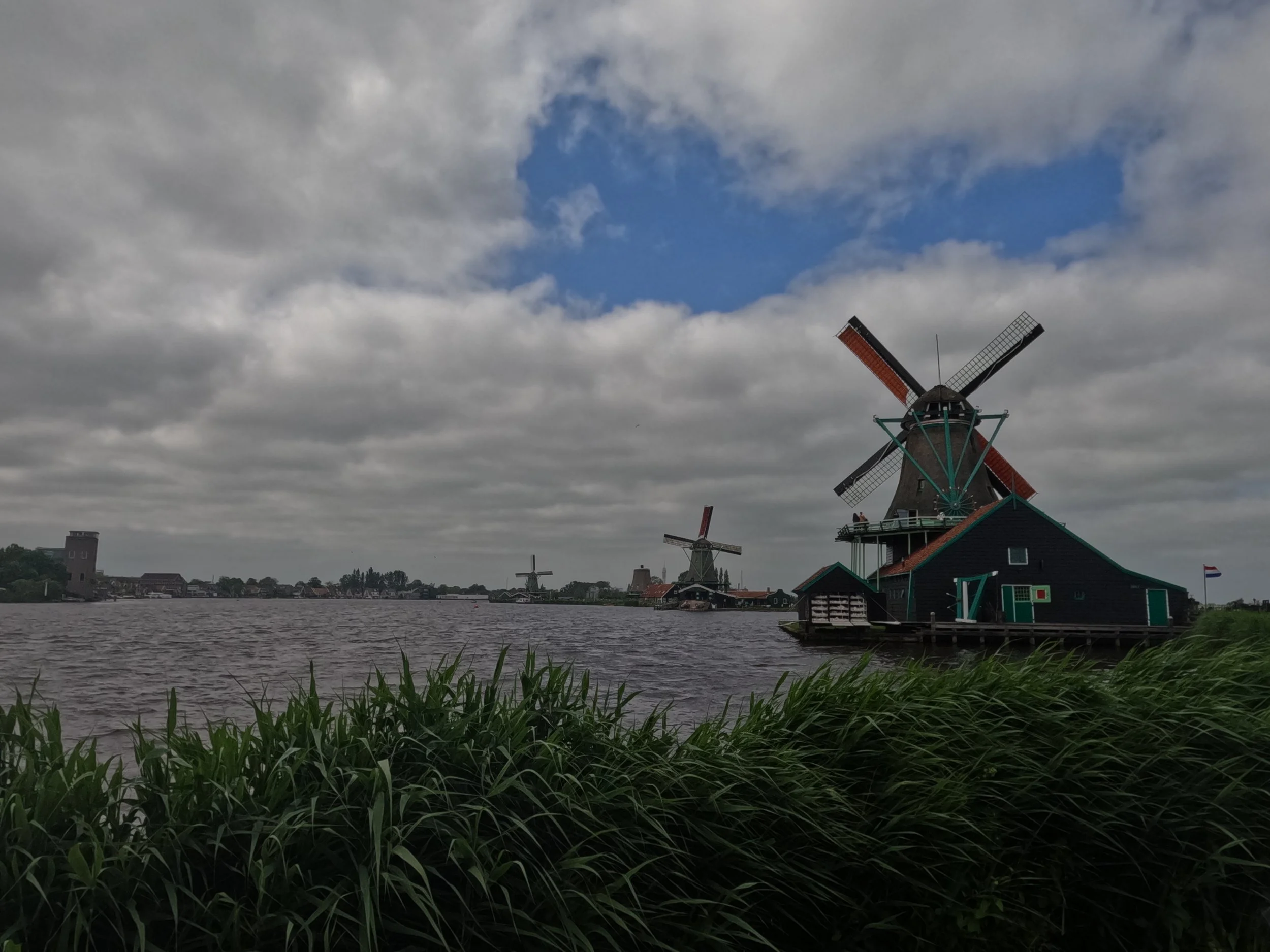
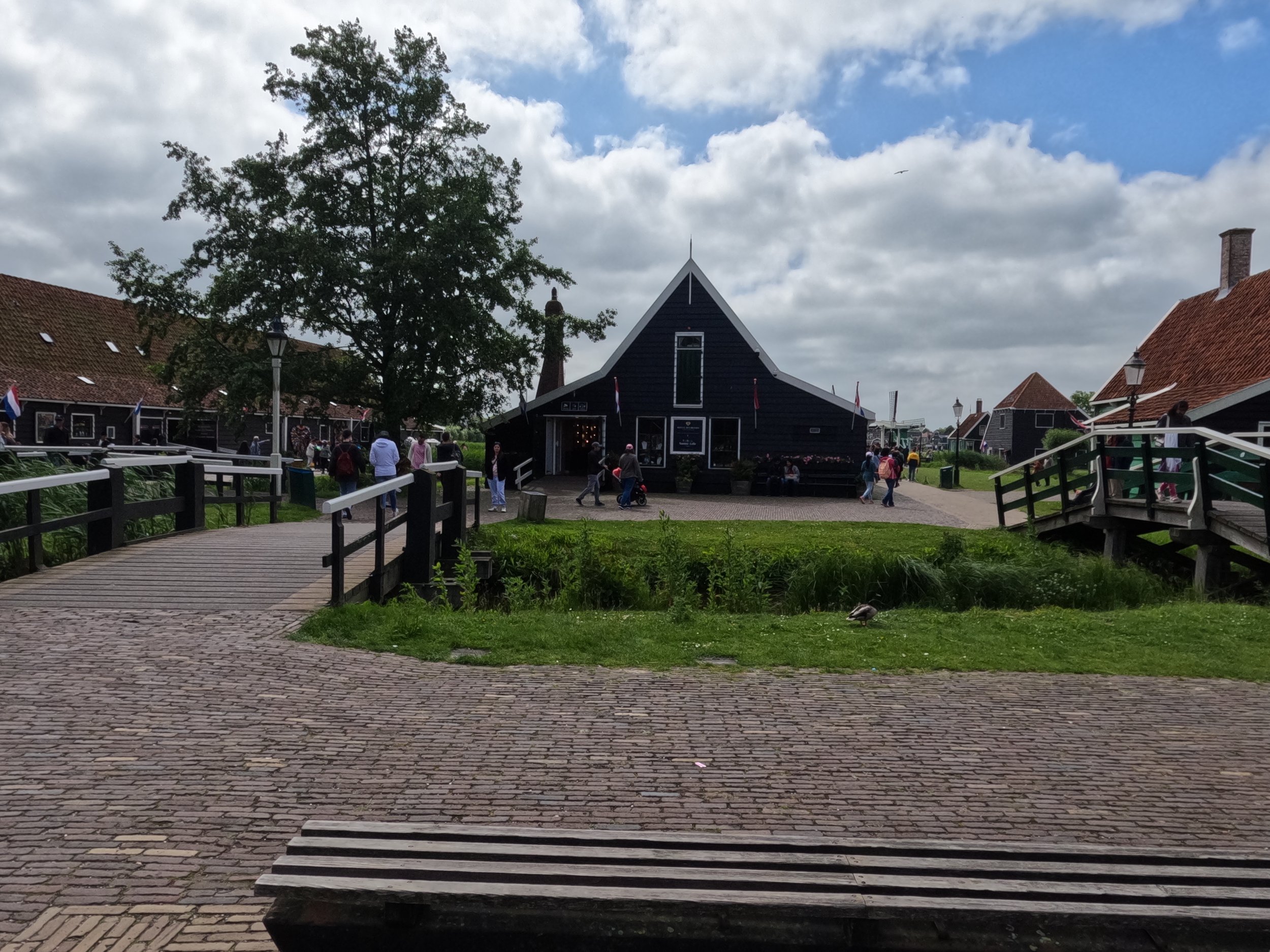
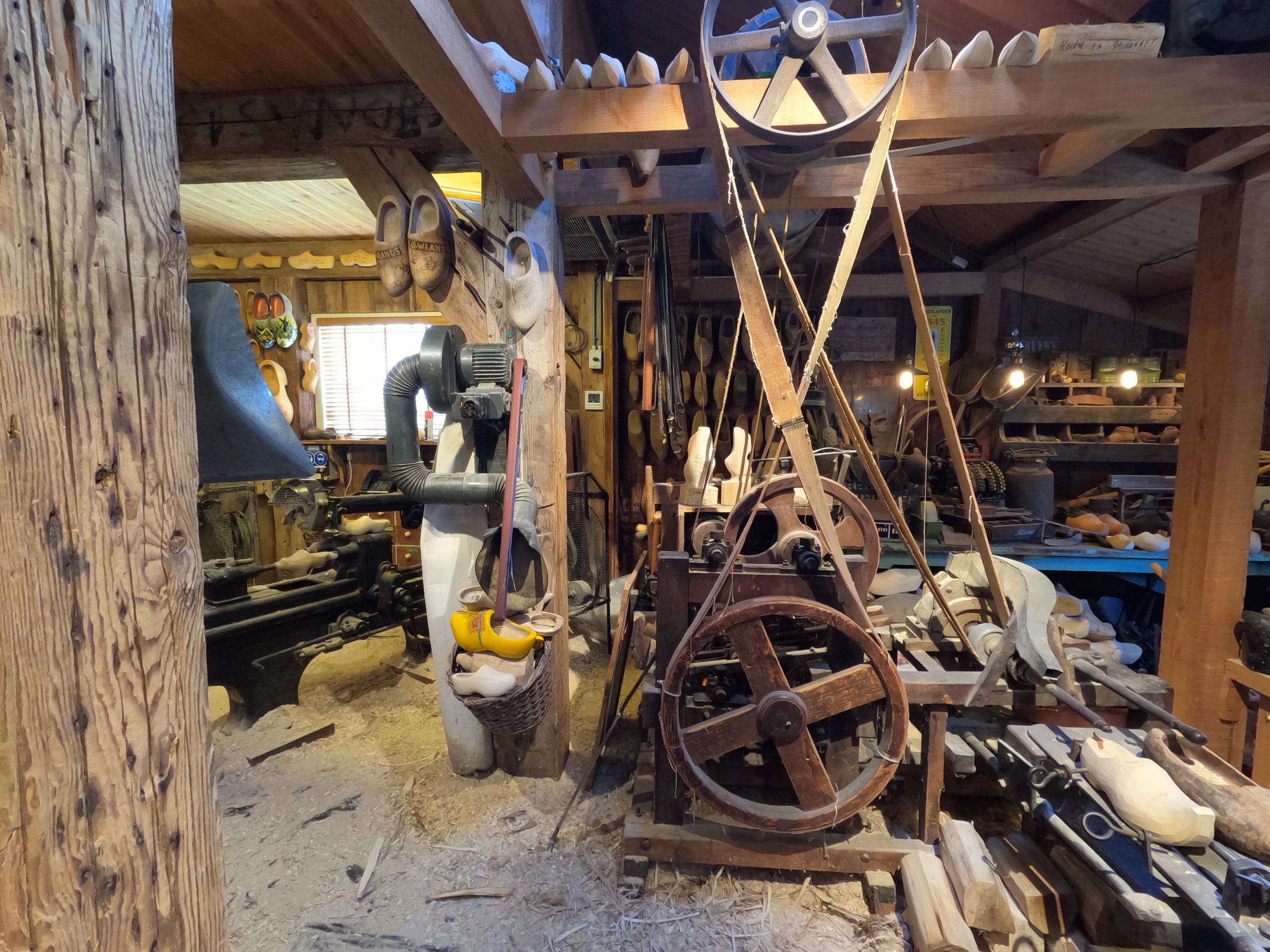
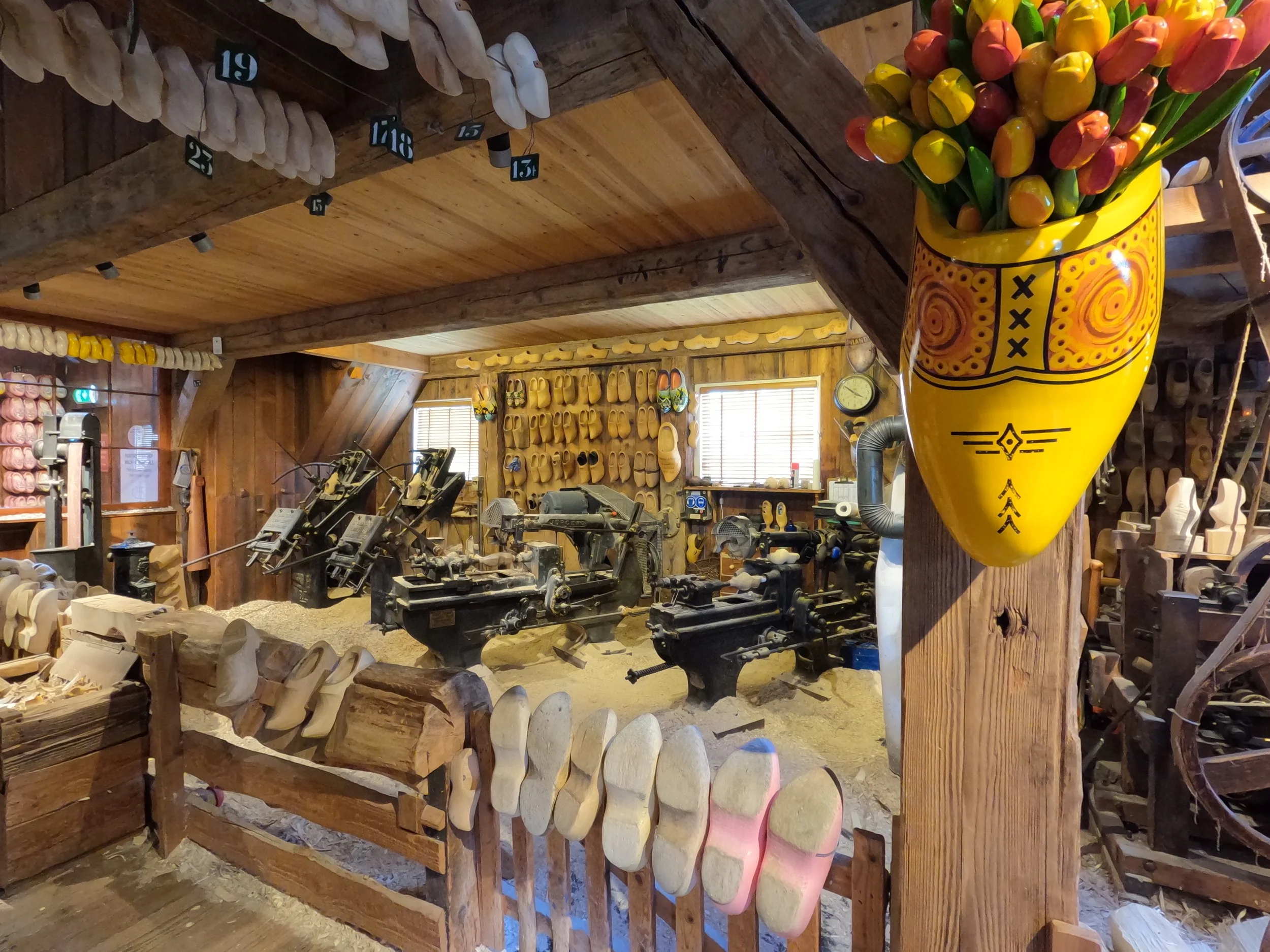
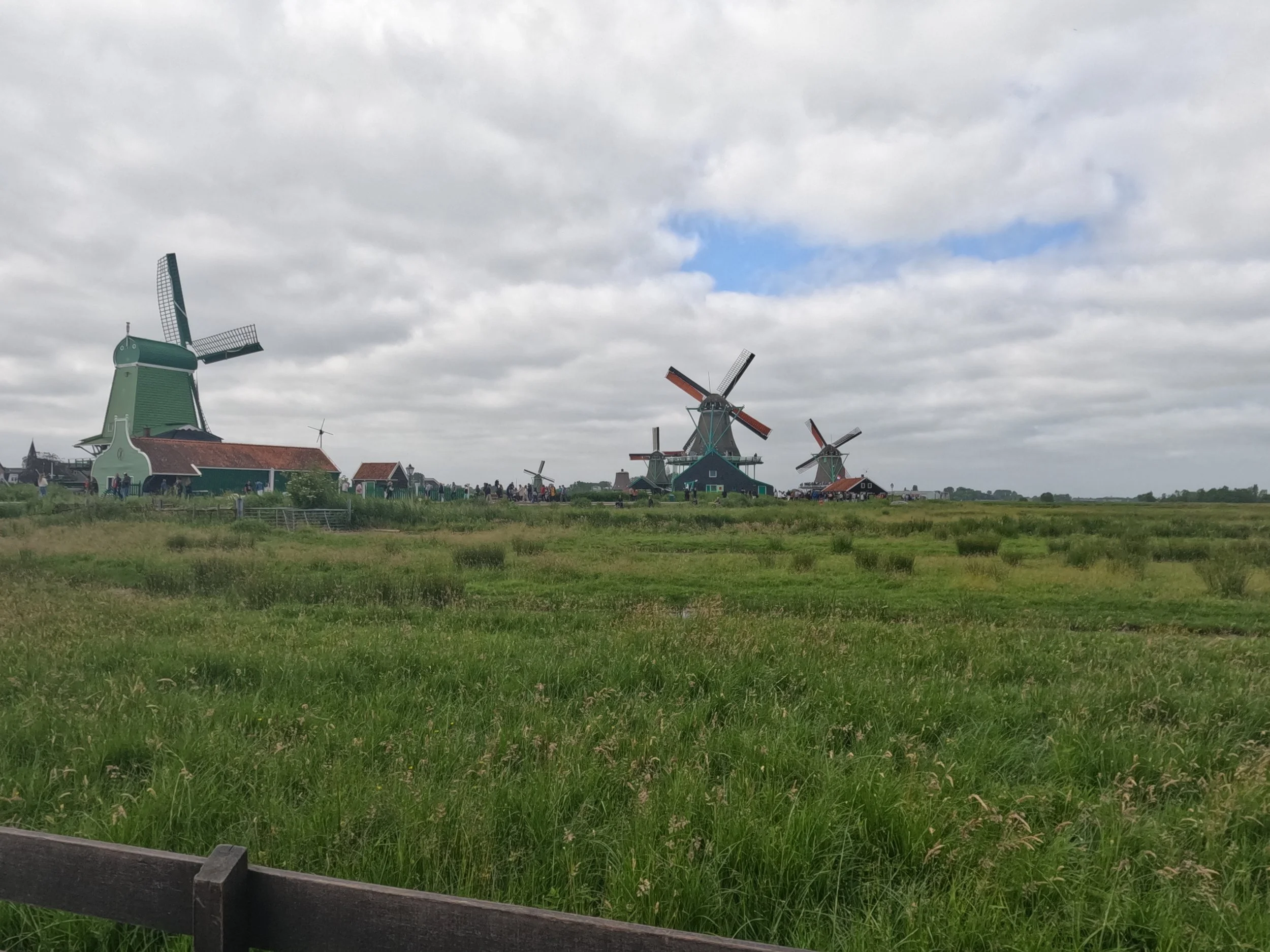
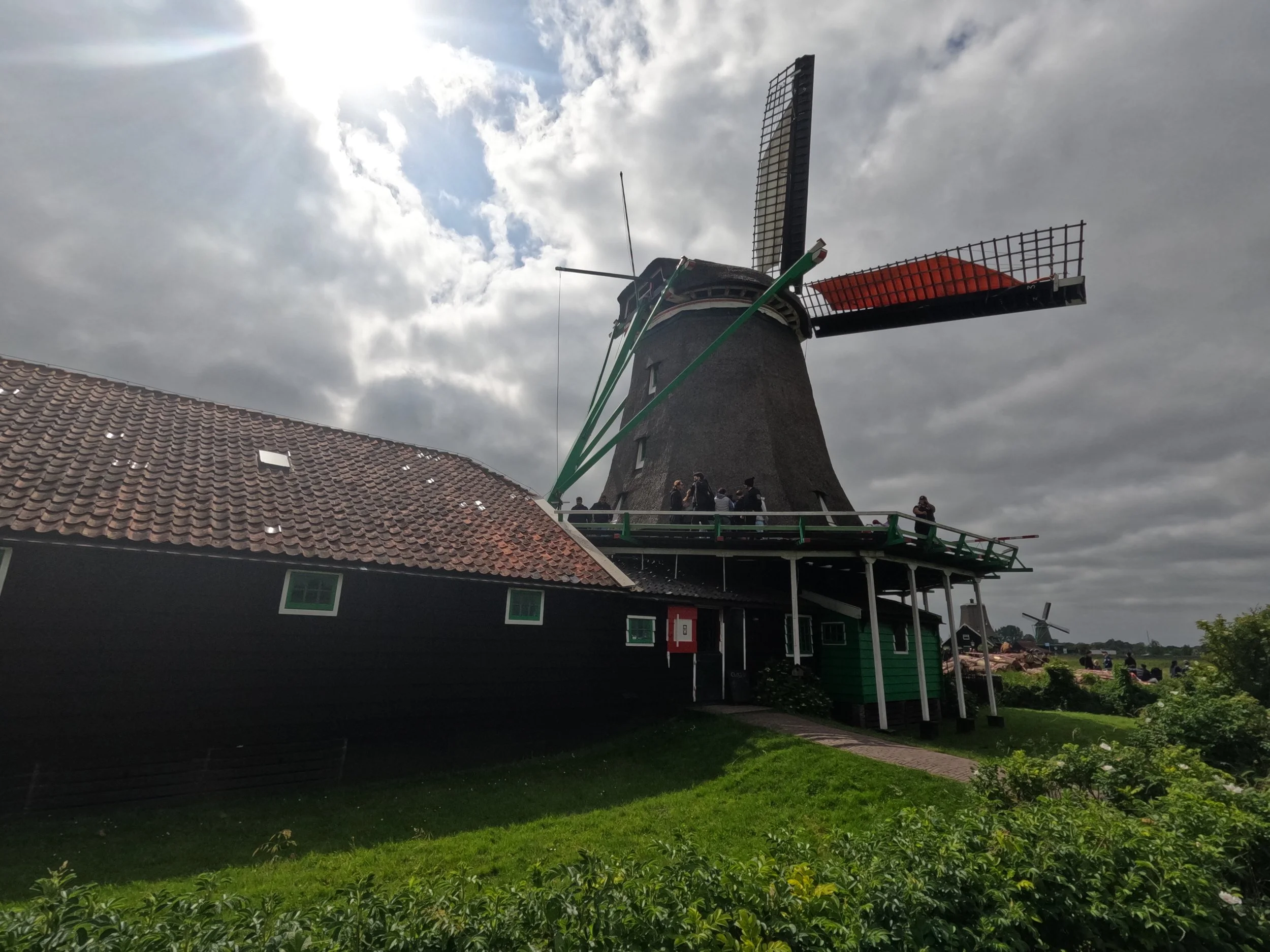
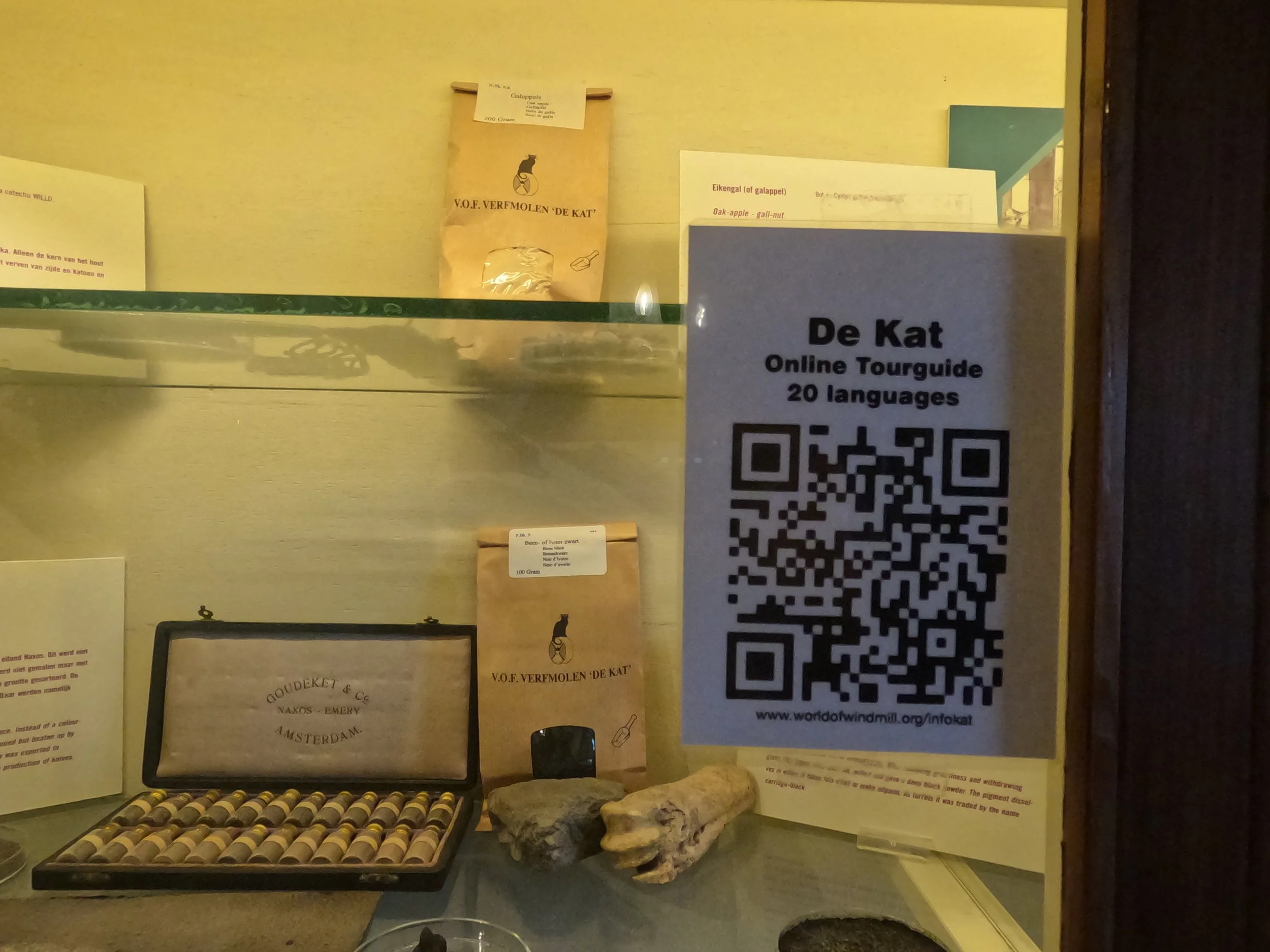
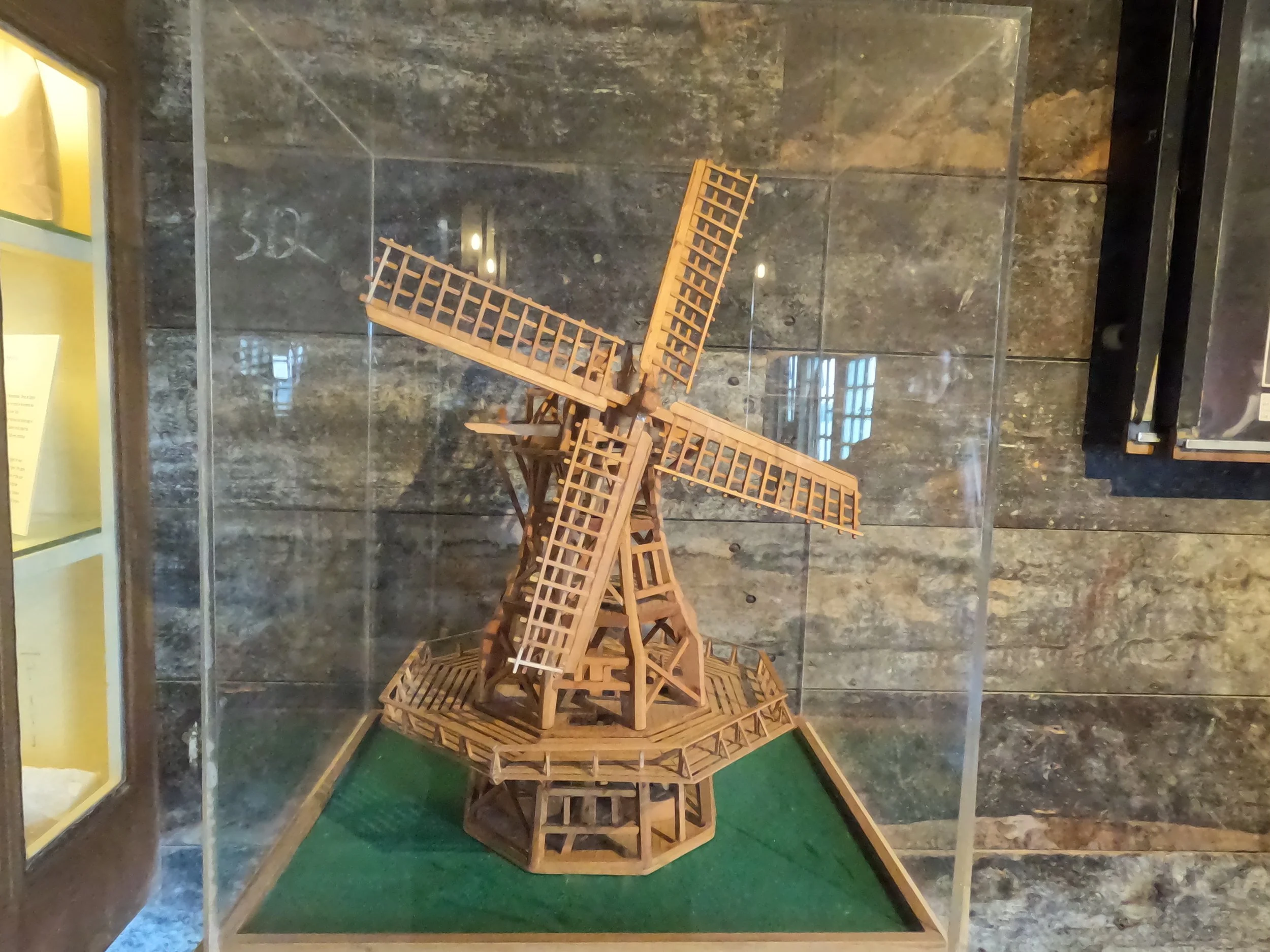
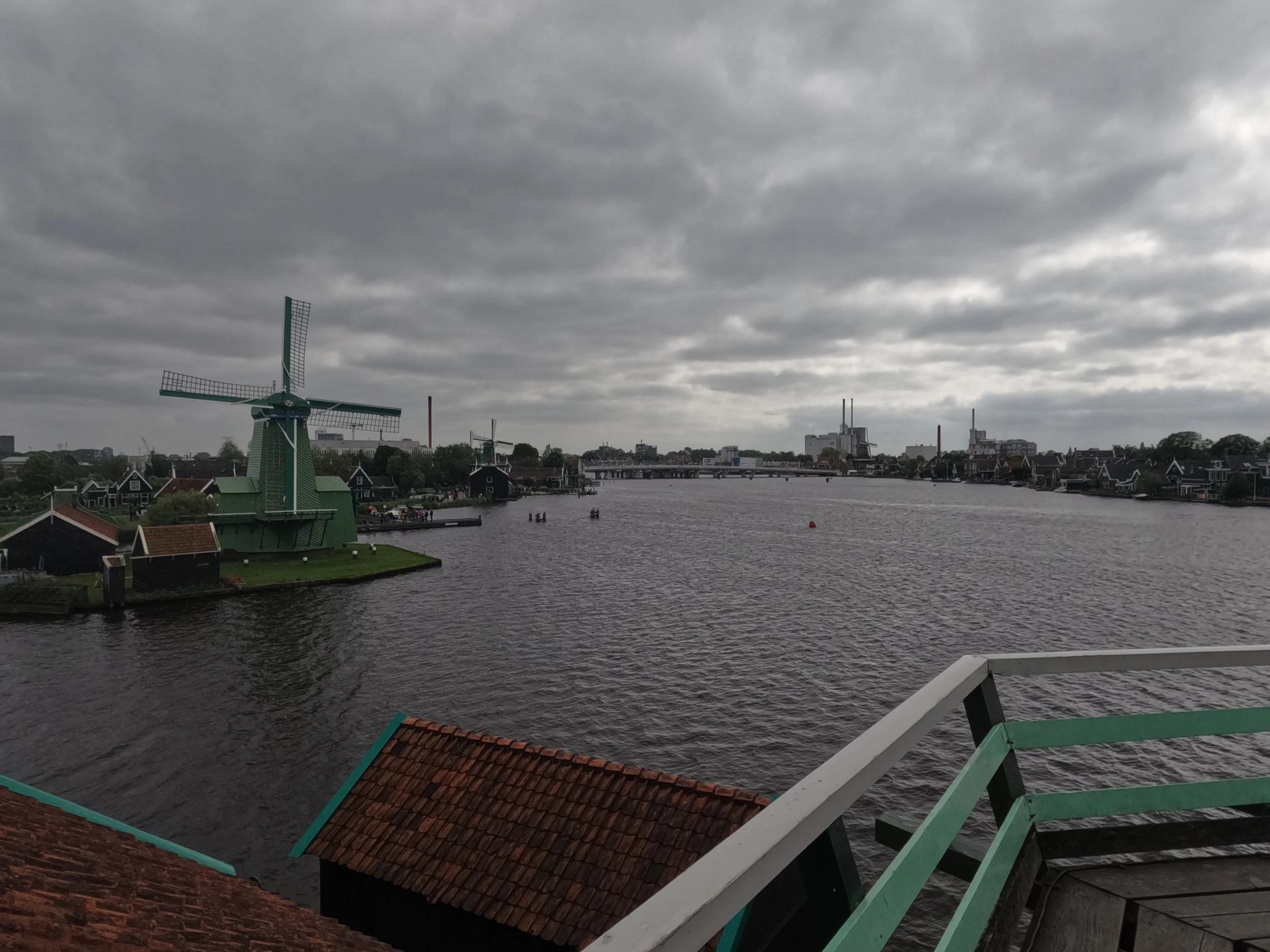
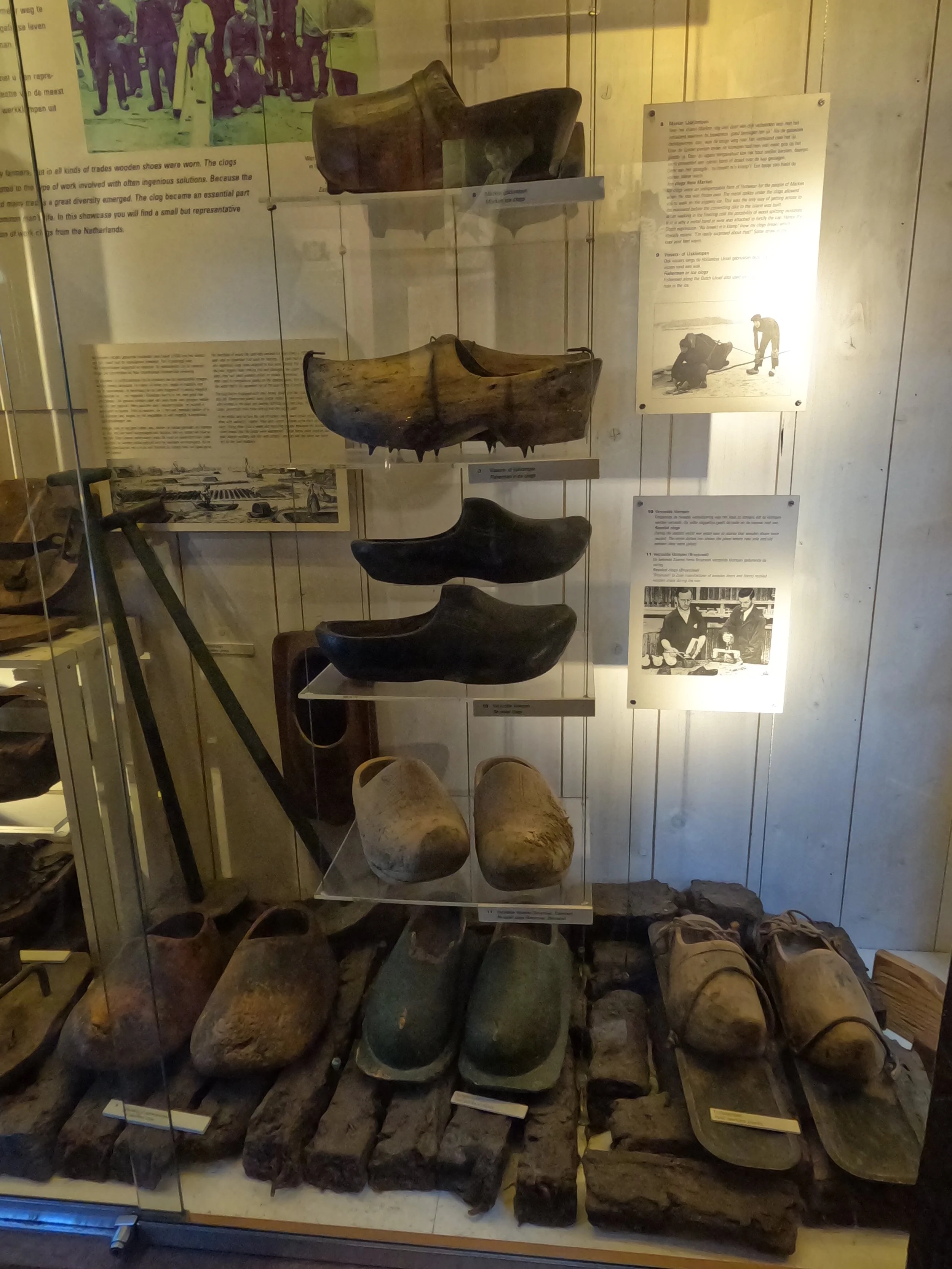
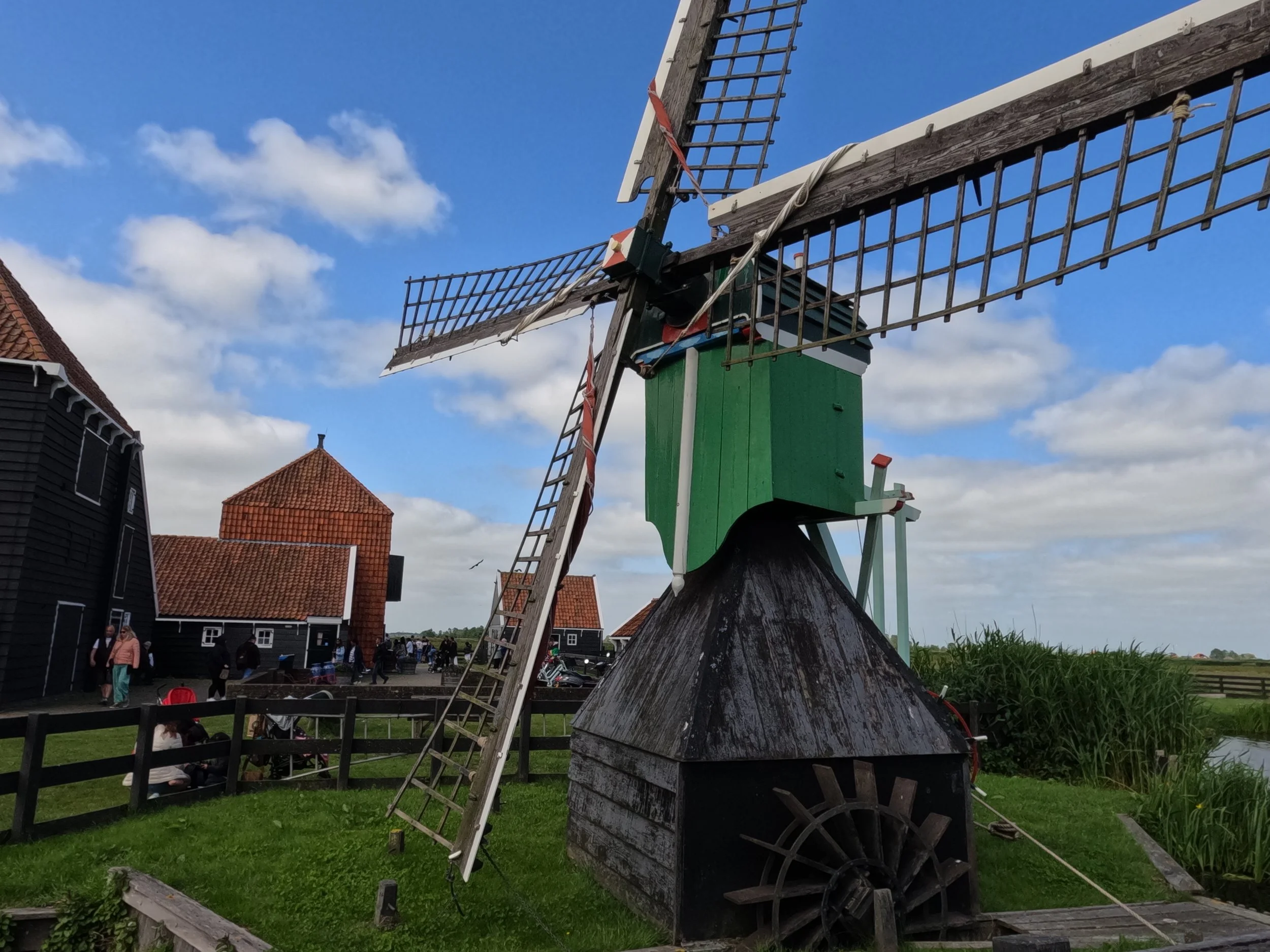
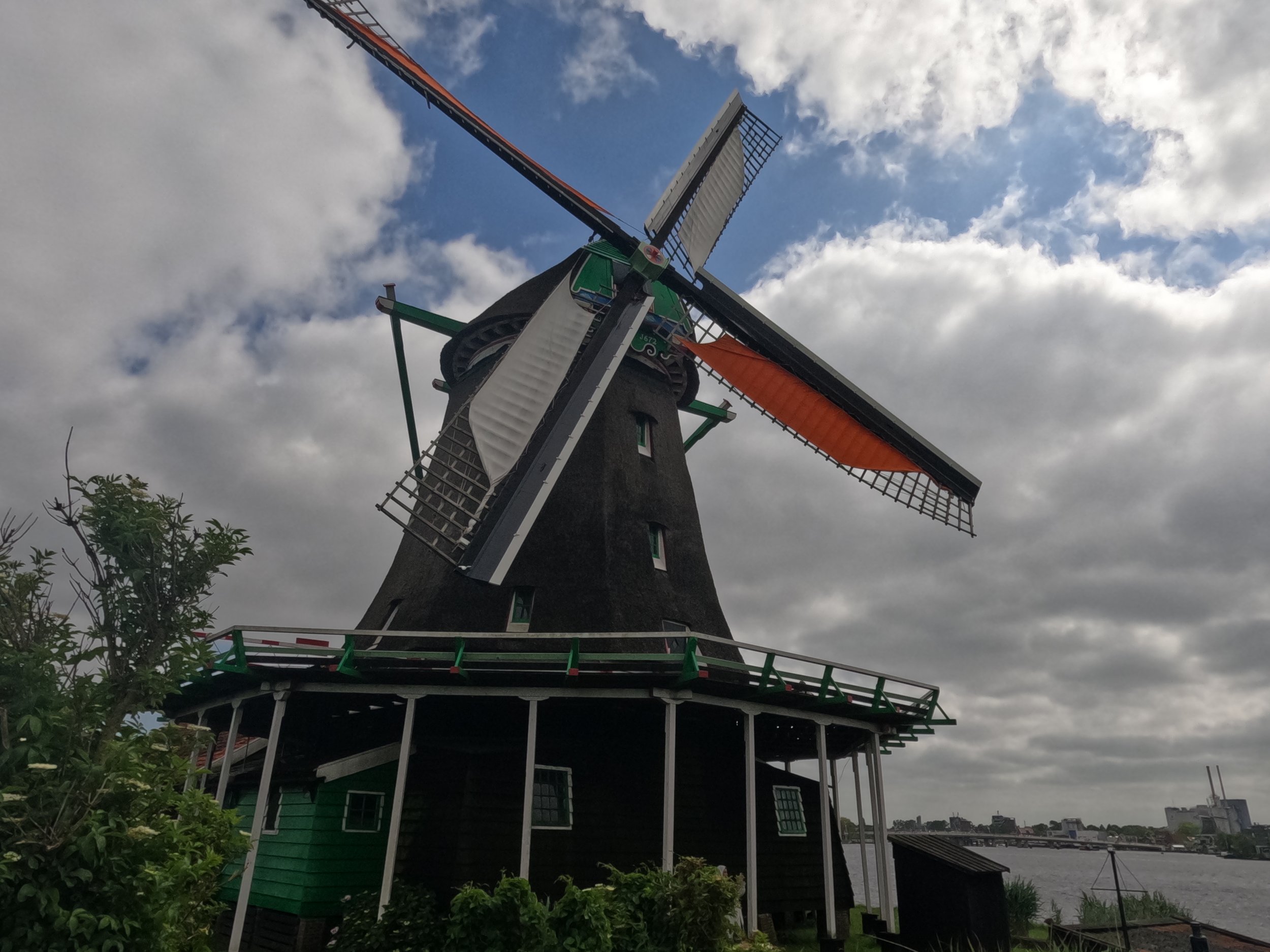
Zaanse Schans has evolved into a fully visitor-oriented open-air museum: windmills sit alongside artisan workshops, restaurants and souvenir shops. The result is an immersive but increasingly commercialised experience where the original identity of the windmills risks being overshadowed by touristic packaging.
Marketing efforts focus on broad international reach through social media, an interactive digital map of the site and seasonal events.
Zaanse Schans
Methodology
The research combined qualitative and quantitative approaches.
-
Independent visits to Schiedam, Kinderdijk and Zaanse Schans, documenting the visitor experience firsthand and observing how each site presents and communicates its heritage.
-
Informal interviews with working millers and local residents, like Matthew, the miller at Museummolen De Walvisch in Schiedam.
-
Statistical analysis of visitor flow data from 2019 to 2022, drawn from official annual management reports published by each site.
-
Analysis of the digital marketing and communication strategies adopted by each site, including social media, email newsletters, website content and paid campaigns.
-
Original mapping project built on QGIS, visualising the spatial distribution, current functions and tourism activities associated with windmills across the three areas.
Marketing & Communication Analysis
All three sites have significantly expanded their digital presence in recent years, using social media, email newsletters and website content to reach international audiences.
Schiedam
Focuses on local community engagement, educational outreach and press partnerships. The foundation is regularly contacted for TV programmes, film recordings and interviews.
Explore their website
Community First
Kinderdijk
Leads in digital strategy with optimised website UX, online ticketing, SEO-driven content and B2B partnerships with tour operators.
Explore their website
Most Strategic Approach
Zaanse Schans
Prioritises visual appeal and broad international reach over historical depth, with a strong social media presence and an interactive digital map.
Explore their website
Reach Over Depth
Key Findings
Heritage sites that centre their communication around authentic human stories consistently outperform those that prioritise visual appeal and commercial reach.
The most effective digital strategies are those aligned with a clear cultural mission using data, content and partnerships to attract genuinely engaged audiences rather than maximising visitor volume.
A lesson directly applicable to any brand that wants to build lasting connections with its audience.
Key Takeaways
This research deepened my understanding of how cultural heritage organisations use marketing not just to attract visitors, but to shape narratives around national identity.
It strengthened my ability to conduct independent multi-site research, analyse communication strategies across different organisations and translate findings into strategic insights.
It also reinforced something I carry into every marketing project: the most effective communication tells stories that are true.